
ADA Service Animal Rules Explained: Definitions, Business Rights, and Handler Responsibilities
Imagine the tension at a bustling café door: a handler with a calm Labrador at their side, ready for lunch, while the manager hesitates, eyeing the leash. One wrong question, and it could spark confusion—or worse, a violation of federal law. Navigating ADA service animal rules isn't just legal jargon; it's about dignity, access, and smooth interactions for everyone. Whether you're a pet owner curious about service dogs, a handler advocating for independence, a business owner protecting your space, or part of a rescue organization, understanding these rules empowers compassionate choices. Let's break it down clearly, with practical steps for real-world harmony.
What is the Service Dog Definition Under the ADA?
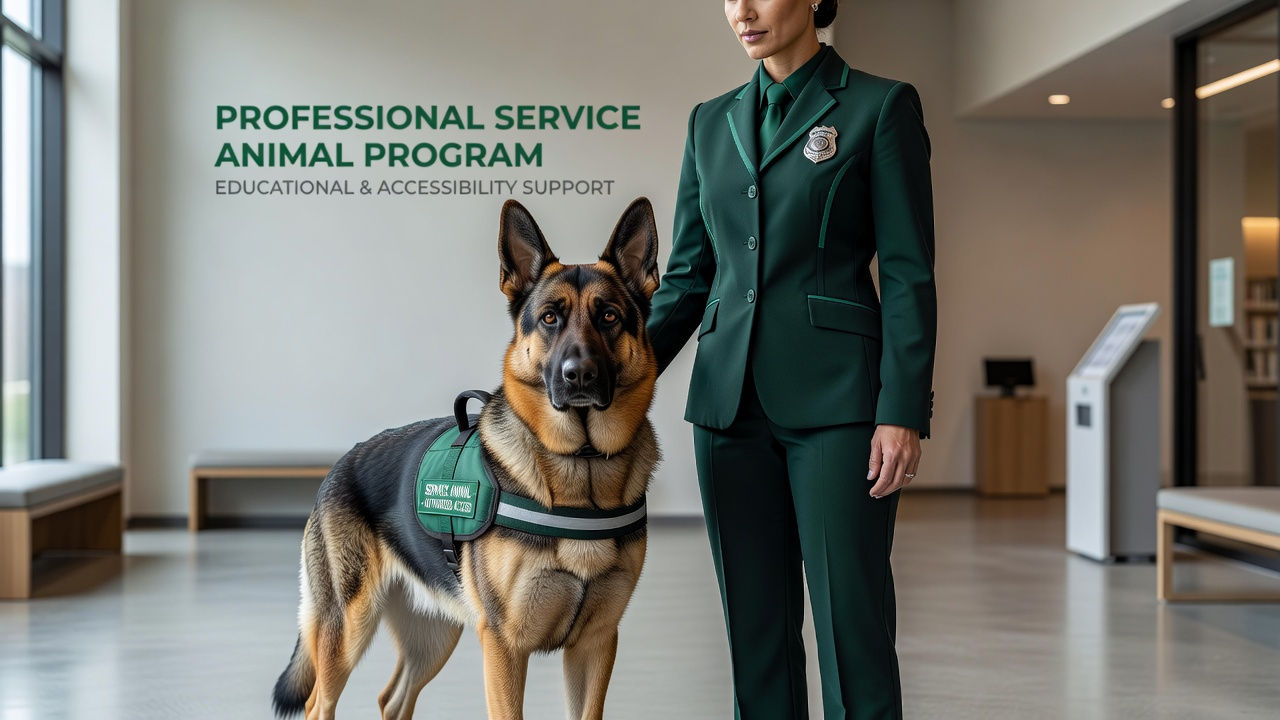
At its core, the ADA defines a service animal narrowly and precisely: a dog individually trained to perform specific tasks or work directly related to a person's disability. This isn't any dog with a vest—it's one that, say, retrieves dropped medication for someone with limited mobility, alerts to oncoming seizures, or guides a visually impaired individual through crowds. Miniature horses qualify in rare cases, but dogs dominate due to their versatility and trainability.
The emphasis on "individually trained tasks" sets service dogs apart. No certification or documentation is required under federal ADA rules; the animal's behavior speaks volumes. This definition ensures only legitimately trained animals gain access, balancing handler needs with public safety.
ADA Business Rights: The Two Key Questions You Can Ask
Business owners, breathe easy— the ADA grants you limited but clear rights in public accommodations like restaurants, stores, hotels, and theaters. You cannot demand proof, vests, or IDs, but you can pose exactly two questions:
- Is this a service animal required because of a disability?
- What work or task has the dog been trained to perform?
That's it. No further interrogation. If the answers satisfy and the dog isn't disruptive, access is granted. Actionable tip: Train staff with these questions via quick posters or role-plays. Observe behavior first—if the dog is under control, weaving politely through tables, it's likely legit.
Where Service Animals Are Allowed—and Where They're Not
Service animals must be welcomed in all areas open to the public, from grocery aisles to hotel lobbies. Even sterile zones like hospitals may allow them if they don't interfere with operations. However, they're barred from sterile environments (operating rooms) or situations posing direct threats, like growling uncontrollably.
Emotional Support Animal vs. Service Animal: Key Differences
Here's a common pitfall: Emotional support animals (ESAs) and therapy dogs provide comfort but lack ADA public access rights. ESAs rely on housing laws (Fair Housing Act) or air travel (pre-2021 rules), thriving on emotional presence alone—no trained tasks required. Therapy animals visit hospitals for group morale, not individual disabilities. Mistaking these for service animals fuels denial and disputes.
Handler Responsibilities: Keeping the Balance
Handlers, the onus is on you to maintain harmony. Leash your dog (unless it interferes with tasks), clean up waste promptly, ensure vaccinations, and prevent disruptions like jumping or barking. If issues arise, businesses can request removal only for legitimate safety concerns—not mere allergies or fear.
Pro tip: Carry a small waste bag kit and practice public etiquette. Register with platforms like NAWN for lost-pet recovery, adding peace of mind.
Federal ADA vs. State Laws: Nuances to Know
The ADA sets the federal floor—states can't weaken it but can expand, like including miniature horses or ESAs in some public spots (e.g., California). Always check local regs via state attorney general sites. Misconception bust: Vests aren't mandatory federally, though they deter questions.
Actionable Advice for Success
- For Businesses: Post clear policies; designate a point person for inquiries.
- For Handlers: Train for real-world scenarios; disclose tasks confidently if asked.
- For All: Default to courtesy—most encounters end amicably.
Mastering ADA service animal rules fosters inclusion without chaos. Knowledge dispels myths, paving paths for handlers to thrive and businesses to flourish.
About NAWN: The National Animal Welfare Network (NAWN) is America's species-neutral animal welfare platform — providing lifetime digital registry, lost-pet recovery, foster coordination, wildlife protection, youth education, and career pathways in animal welfare.