
Animal Welfare Certification Guide: AAALAC, American Humane Certified, Shelter Standards & More
Picture a bustling rescue shelter where every kennel gleams with fresh bedding, veterinary checks happen like clockwork, and adoptions skyrocket because adopters trust the care behind those wagging tails. This isn't a dream—it's the reality unlocked by robust animal welfare certification. For rescue organizations, shelters, and animal welfare professionals, certification isn't just a badge; it's a blueprint for excellence, a shield against scrutiny, and a magnet for donors and partners.
In an era of viral videos exposing neglect, third-party animal welfare certification programs provide verifiable proof of commitment. They set measurable standards for housing, nutrition, veterinary care, and behavioral enrichment, elevating operations from good to gold standard.
What Does Animal Welfare Certification Mean?
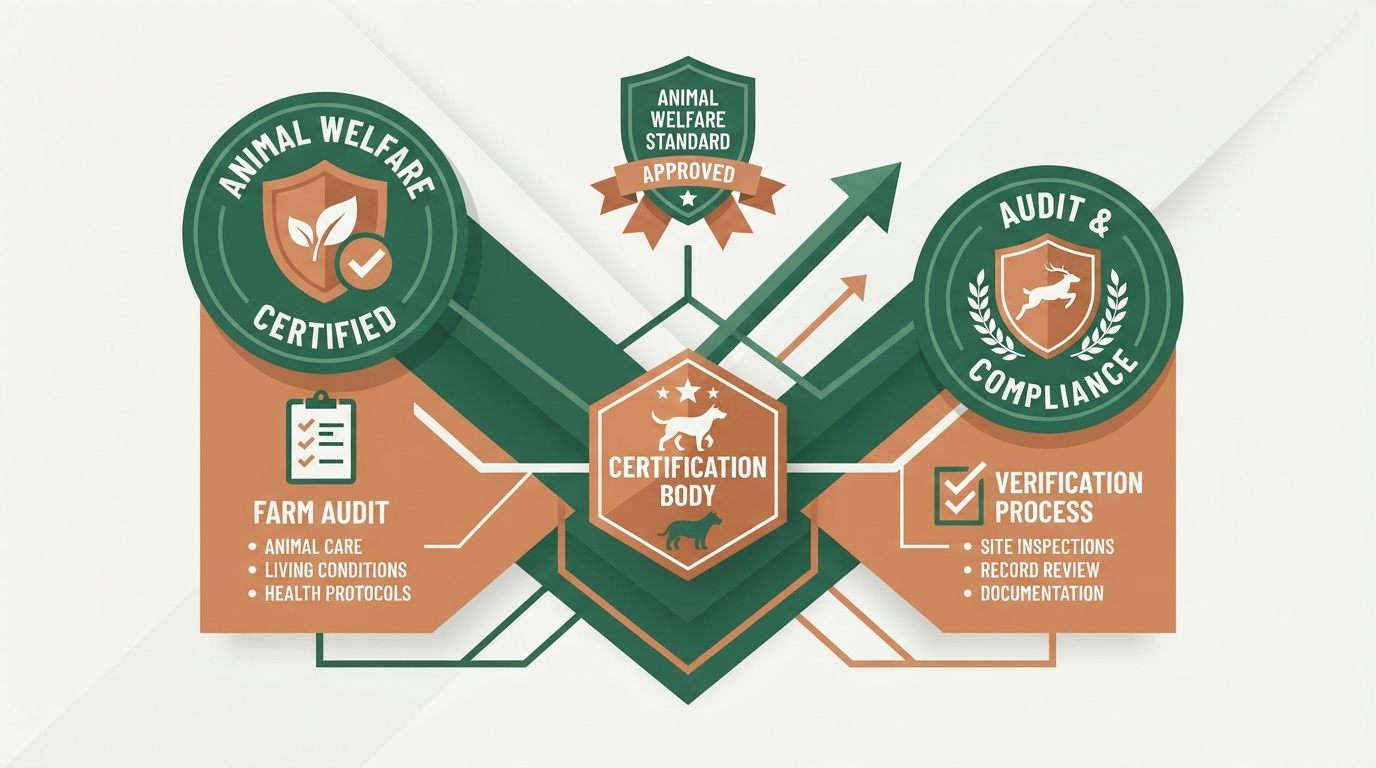
Animal welfare certification means independent auditors have rigorously evaluated an organization against science-based criteria. Unlike self-reported claims, these programs demand documentation, on-site inspections, and ongoing compliance. For labs, farms, or shelters, it's about ensuring animals aren't just surviving—they're thriving.
Major Programs Spotlight
Key players include:
- AAALAC International: The gold standard for laboratory animal care. Focused on research facilities, it assesses programs against the "3Rs" (Replacement, Reduction, Refinement) and global guidelines, ensuring ethical science.
- American Humane Certified: America's first certified humane label for farms, ranches, and handling practices. It verifies no cages, crates, or tying, plus transport and slaughter standards—now expanding to broader welfare.
- Global Animal Partnership (GAP): A 5-step rating system for meat supply chains, rewarding higher welfare like pasture access and breed-appropriate behaviors.
- Certified Humane: Raised & Rooted by A Greener World, emphasizing cage-free, continuous forage access, and veterinary oversight for farm animals.
How the Certification Process Works
Certification kicks off with a self-assessment against program standards. Submit policies, records, and photos. Then comes the audit: unannounced or scheduled site visits by trained assessors who interview staff, observe animals, and review logs. Scores must hit benchmarks—say, 90%+ compliance.
Timeline? 3-12 months from application to seal, depending on gaps found. Costs vary: AAALAC fees start at $2,000-$10,000 annually for labs; American Humane Certified runs $1,000-$5,000+ for farms, scaling with size. Recertification every 1-3 years keeps standards sharp.
Tailored for Rescues and Shelters
While farms dominate headlines, shelter standards are rising. Voluntary benchmarks from groups like the ASPCA or Shelter Animals Count guide capacity, spay/neuter rates, and live-release goals. They're often free or low-cost, focusing on transparency via public dashboards.
Benefits for Your Organization
Certified orgs see 20-50% adoption boosts, grant eligibility surges, and media goodwill. Donors favor verified impact; insurers offer discounts. For shelters, it cuts euthanasia via better matching and reduces staff turnover with clear protocols. Ultimately, it's lives saved—fewer strays euthanized, more families forever bonded.
NAWN Verification: The Perfect Complement
Third-party seals shine, but NAWN verification adds digital muscle. As a species-neutral platform, NAWN audits operations holistically—microchip registries, lost-pet tools, foster matching—layering tech-driven accountability atop traditional animal welfare certification. It's the bridge from compliance to community impact, voluntary yet verifiable.
Ready to certify? Start with self-audits, align with shelter standards, and layer NAWN for full-spectrum welfare.
About NAWN: The National Animal Welfare Network (NAWN) is America's species-neutral animal welfare platform — providing lifetime digital registry, lost-pet recovery, foster coordination, wildlife protection, youth education, and career pathways in animal welfare.