
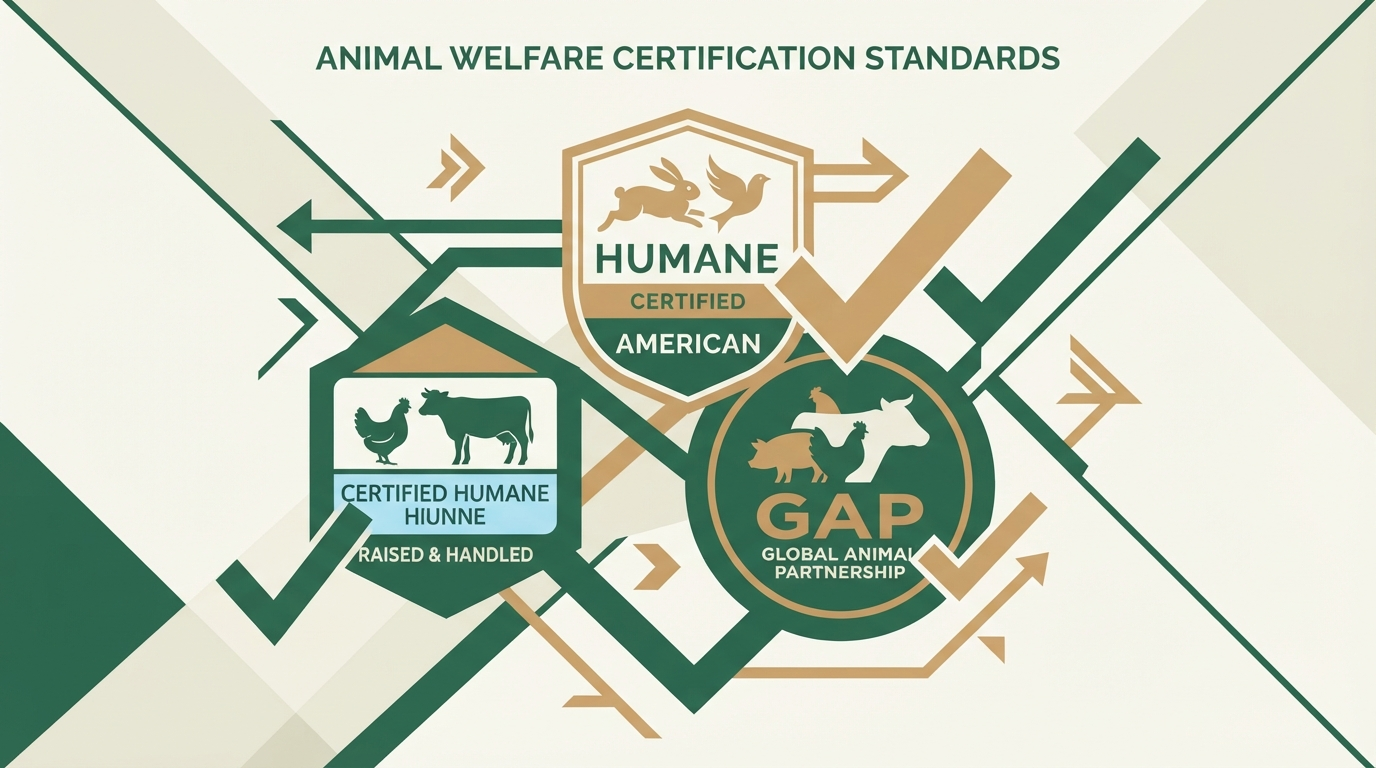
Animal Welfare Certification Guide: American Humane Certified, GAP, Certified Humane & AAALAC – Steps for Shelters to Boost Adoptions
Picture this: a bustling shelter where potential adopters linger longer, donors open their checkbooks wider, and animals find homes faster. The secret? Third-party animal welfare certification. In an era where transparency reigns supreme, certifications like American Humane Certified, Global Animal Partnership (GAP), Certified Humane, and AAALAC signal unwavering commitment to ethical care. For rescue directors and shelter leaders, pursuing animal welfare certification isn't just a badge—it's a game-changer for adoptions, funding, and mission impact.
Drawing from resources at the Animal Welfare Information Center (AWIC), this guide demystifies these programs. We'll explore what they evaluate, step-by-step paths for shelters, tangible benefits, and how NAWN's verification fits seamlessly alongside. Whether you're managing cats, dogs, wildlife, or farm rescues, species-neutral standards elevate your operation.
Why Third-Party Animal Welfare Certification Matters for Shelters
Animal welfare certification provides independent validation of your practices, building trust in a skeptical world. AWIC highlights how these programs assess housing, nutrition, veterinary care, handling, and enrichment across species. For nonprofits, it's more than compliance—it's a marketing superpower. Donors favor certified orgs; grants prioritize them. And adopters? They choose shelters that prove their animals thrive, not just survive.
These certifications originated in agriculture and research but adapt brilliantly to shelters. They ensure holistic welfare, from spacious enclosures mimicking natural habitats to behavioral programs reducing stress. The result? Healthier animals, higher live-release rates, and a reputation that draws supporters.
Breaking Down the Major Animal Welfare Certifications
American Humane Certified
Pioneered by American Humane, this program sets science-based standards verified through farm audits—but its principles shine for shelters. AWIC notes evaluations of proper housing, freedom from hunger and distress, rapid veterinary response, and humane handling. Shelters apply by aligning intake, daily care, and euthanasia protocols. It's comprehensive, covering all life stages for diverse species.
Global Animal Partnership (GAP)
GAP's tiered 1-5+ system rewards progressive welfare, from basic to exemplary. Per AWIC, it scrutinizes living environments, transport, and slaughter (adaptable to euthanasia). For shelters, Step 4 or 5 means enriched group housing, outdoor access, and minimal antibiotics. It's flexible for rescues handling livestock or exotics alongside companions.
Certified Humane
Administered by A Greener World, Certified Humane demands cage-free housing, ample space, and no growth hormones. AWIC resources emphasize independent audits twice yearly. Shelters benefit from its focus on natural behaviors—like rooting for pigs or perching for birds—translating to better socialization and adoption readiness across species.
AAALAC International
Tailored for research but valuable for any institutional care, AAALAC accredits based on the Guide for the Care and Use of Laboratory Animals. AWIC details peer-reviewed assessments of facilities, programs, and occupational health. Shelters pursuing it excel in record-keeping, training staff, and IACUC-like oversight committees, ideal for wildlife rehab or specialty rescues.
Step-by-Step Guide: How Shelters Pursue Animal Welfare Certification
- Self-Assess: Use AWIC checklists to audit current practices against standards. Identify gaps in housing, feeding, or enrichment.
- Choose Your Program: Match to your species and scale—GAP for multi-tier progress, American Humane for broad appeal.
- Implement Changes: Upgrade facilities, train staff, document everything. Budget for renovations or consultants.
- Apply and Audit: Submit documentation; schedule on-site inspections by certified auditors.
- Maintain and Recertify: Annual reviews ensure ongoing compliance. Celebrate with badges on your site and marketing.
Start small: Pilot one area, like housing, to build momentum.
Unlocking Benefits: Adoptions, Donors, and Grants
Certified shelters report surges in adoptions—families trust gold standards. Donors, seeing third-party logos, contribute more generously. Grantmakers like ASPCA or USDA favor certified applicants. AWIC underscores reduced liability and improved staff morale as bonuses. One ripple: Happier animals mean fewer returns, stabilizing your nonprofit.
Timelines, Costs, and Real Talk
Timelines vary: 6-18 months from application to award. Costs? Application fees ($500-$5,000), audits ($2,000-$10,000+), plus upgrades. Smaller shelters offset via grants. Weigh ROI: Certification pays dividends in trust and revenue.
NAWN Verification: The Perfect Complement
NAWN's Verified Care Coordinator program verifies internal protocols swiftly and affordably, complementing rigorous third-party animal welfare certification. While certifications demand audits, NAWN streamlines digital tracking for lifetime registries and foster care—ideal starters or enhancers.
Certification isn't a finish line; it's a launchpad. Shelters that invest see animals flourish, communities engage, and missions soar. Ready to certify? Your next adoption wave awaits.
About NAWN: The National Animal Welfare Network (NAWN) is America's species-neutral animal welfare platform — providing lifetime digital registry, lost-pet recovery, foster coordination, wildlife protection, youth education, and career pathways in animal welfare.