
    Back to Blog
    Pet Safety in the Mountain West

    Animal Transport Volunteer Checklist: Safe Rescue Relocation Guide from Pickup to Drop-Off

    Animal Transport Volunteer Checklist: Safe Rescue Relocation Guide from Pickup to Drop-Off

    Animal Transport Volunteer Checklist: Safe Relocation from Pickup to Drop-off

    Why This Checklist Saves Lives—and Eases Your Mind

    Picture this: a wide-eyed rescue dog, tail thumping tentatively against its crate, gazes out as you navigate rain-slicked highways. Your role as an animal transport volunteer isn't just driving—it's a lifeline, ferrying vulnerable pets to safety. But one overlooked detail—a loose crate, a forgotten water break—can turn hope into heartache. This animal transport volunteer checklist is your roadmap for rescue transport safety, blending compassion with precision. Whether you're a seasoned foster transporter or stepping up for the first time, follow these steps for flawless pet relocation. Print it, check it twice, and drive with confidence.

    1. Pre-Transport Preparation: Gear Up Like a Pro

    Start strong at home. Meticulous prep prevents mishaps, ensuring every paw arrives unscathed. Stock your vehicle with essentials and map your mission.

    Plan route with GPS, noting rest stops every 2-3 hours for water, walks, and checks—factor in traffic and weather.
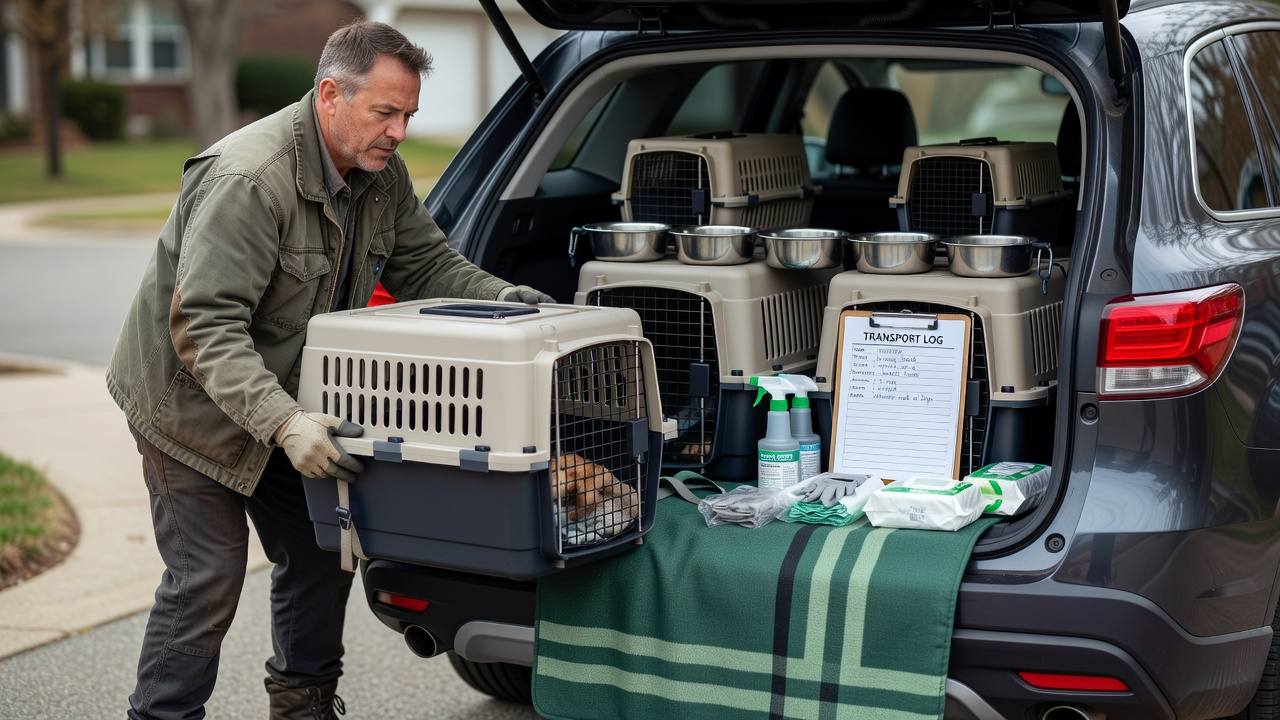
    Pack sanitation supplies: pee pads, enzymatic cleaner, trash bags, paper towels, gloves, and pet-safe wipes.
    Prepare emergency roadside plan: charged phone, vet hotline numbers, first-aid kit (bandages, tweezers, hydrogen peroxide), spare tire, and NAWN's 24/7 support line.
    Create transport log: note pickup/drop-off details, animal description, health notes, and snap milestone photos at start, stops, and end.

    2. Vehicle and Crate Setup: Secure Every Inch

    Your car becomes a mobile sanctuary. No rattling crates, no flying hazards—fortify it all. Rule #1: Never transport in the trunk. Visibility and airflow are non-negotiable.

    Inspect and secure crates: airline-grade, well-ventilated, lined with absorbent bedding; strap firmly with bungees or seatbelts in passenger area.
    Clear vehicle: remove loose items, cover seats with waterproof protectors, ensure AC/heat works, and test brakes/lights.
    Confirm: No animals in trunk—ever. Keep them where you can see and soothe.

    3. During the Journey: Vigilance Meets Kindness

    The road tests your resolve. Stay alert, compassionate pauses build trust—and safety. Never, ever leave pets unattended in the vehicle, even for a quick stop.

    Schedule water and comfort breaks: offer fresh water, short leashed walks (no off-leash), monitor for stress signs like panting or whining.
    Pledge: Never leave animals unattended in vehicle. Heat, theft, panic—risks lurk everywhere.
    Monitor constantly: check crates every 30 minutes, log behavior/milestones with photos, adjust speed for comfort on bumpy roads.

    4. Arrival and Handover: Seal the Mission

    Cross the finish line gracefully. A smooth drop-off honors the journey's promise.

    At drop-off: Transfer gently, share log/photos/health updates, get receipt, clean vehicle thoroughly.
    Debrief: Note any issues for rescuers, celebrate the save— you've changed a life.

    With this pet relocation guide in hand, every trip becomes a triumph. Safe travels—tails wag because of you.

    About NAWN: NAWN connects compassionate volunteers and rescue organizations to ensure no animal is left behind.