
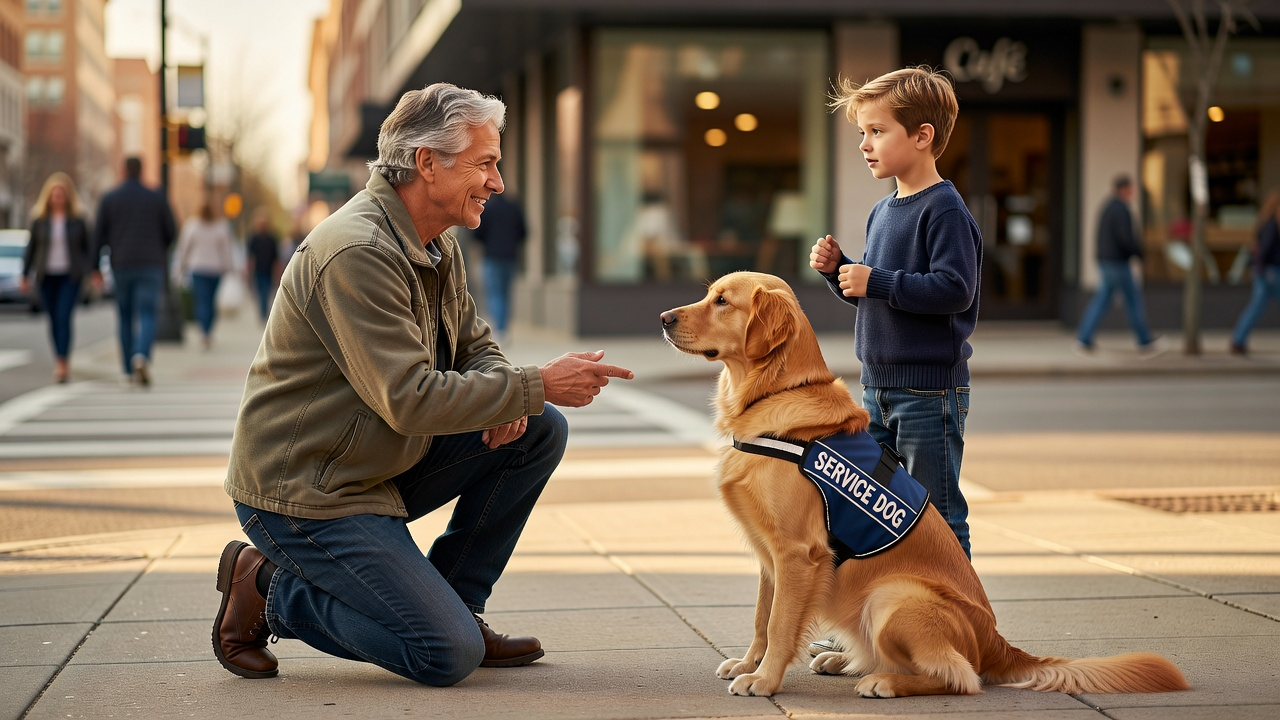
Service Animal Etiquette: Essential Do's and Don'ts for Everyday Interactions
Picture this: you're navigating a bustling coffee shop when a sleek Labrador glides past, harnessed and focused, guiding its handler with quiet precision. Your hand twitches toward those velvety ears, but something holds you back. That instinct? It's the start of mastering service animal etiquette—a simple set of guidelines that respects the extraordinary partnership between handler and animal while fostering smoother everyday encounters.
Service animals, primarily dogs trained to perform life-changing tasks for people with disabilities, aren't pets. They're working professionals on duty. From alerting to seizures to retrieving dropped items or even detecting blood sugar fluctuations, these animals demand our consideration in stores, restaurants, offices, and public spaces. Getting service animal etiquette right isn't just polite; it ensures these vital companions stay effective and safe.
What Makes Service Animal Etiquette So Crucial?
Under laws like the Americans with Disabilities Act (ADA), service animals have public access rights. But etiquette goes beyond legality—it's about empathy. A distracted service dog might miss a critical cue, endangering its handler. Handlers often face intrusive questions or unwanted attention, turning routine outings into ordeals. By observing proper service animal etiquette, you create space for dignity and focus.
The Do's: How to Interact Respectfully
Positive actions build trust and harmony. Here's how to shine in service animal etiquette:
- Give them space. Maintain a respectful distance—think three feet minimum—to avoid disrupting the animal's work.
- Ask before engaging. If you're dying to say hello, politely ask the handler first: "May I pet your dog?" Many appreciate the courtesy.
- Offer help thoughtfully. A simple "Do you need assistance with the door?" shows kindness without assuming.
- Clean up after your own pet. If you're out with your dog, model responsibility—service animals deserve the same courtesy from everyone.
- Educate others nearby. Gently redirect a child's urge to touch by explaining, "That dog's working hard right now."
The Don'ts: Common Pitfalls to Avoid
Steer Clear of Distractions
The biggest no-no in service animal etiquette? Touching without permission. A pat might seem harmless, but it breaks the animal's concentration, potentially leading to mishaps.
- Never pet, feed, or play with the animal—it's on the job.
- Avoid snapping photos; flashes and crowds unsettle them.
- Don't let your dog approach; unleashed pets can provoke reactions.
Respect Privacy Boundaries
Curiosity is human, but prying isn't. Skip questions like "What's wrong with you?" or "Is that a service dog?" Businesses can ask two specific questions under ADA guidelines—what tasks it performs and if it's required for a disability—but civilians shouldn't.
- Refrain from disability inquiries; they're personal.
- Don't assume vests mean "pet me"—fakes abound, but etiquette applies regardless.
Everyday Scenarios: Putting Service Animal Etiquette into Practice
In a crowded elevator? Step aside first. At a restaurant? Don't block the aisle. On transit? Secure your belongings away from the team. These micro-choices weave etiquette into daily life, turning potential friction into fluid coexistence.
Embrace the Ripple Effect
Service animal etiquette isn't a checklist; it's a mindset shift toward inclusion. Next time you spot that purposeful pup, remember: your restraint empowers independence. In a world rushing by, a moment's pause honors the quiet heroism unfolding beside you.
About NAWN: NAWN is your go-to source for insightful content on working animals, service companions, and animal welfare, empowering the public with knowledge to foster respectful, harmonious interactions every day.