
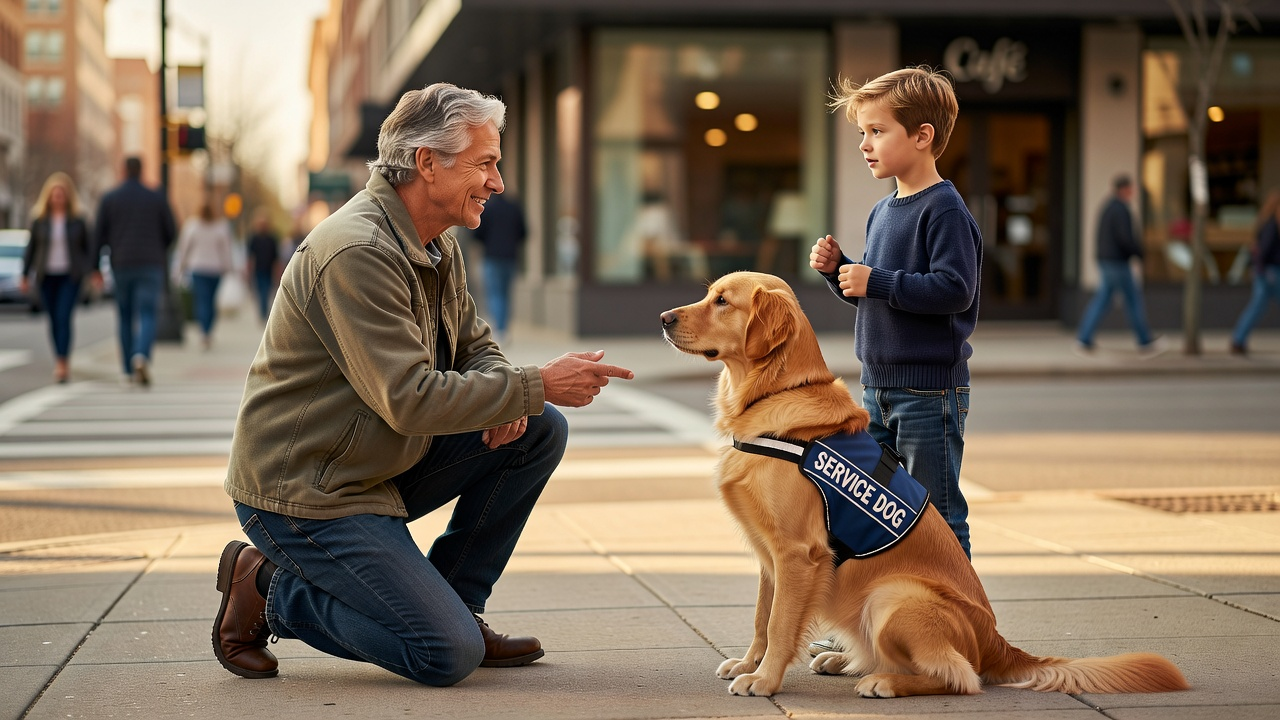
Service Dog Etiquette Guide: How to Interact Respectfully Without Distracting Working Animals
Picture this: a bustling grocery store aisle, where a service dog strides confidently beside its handler, eyes locked forward, vest gleaming under the fluorescent lights. The dog isn't just a companion—it's a lifeline, trained to detect seizures, guide through crowds, or alert to blood sugar drops. But then, a well-meaning stranger leans in with a coo and an outstretched hand. In that split second, the dog's focus shatters, and the handler's safety hangs in the balance. This is why service animal etiquette in public spaces matters so profoundly. One distraction can mean the difference between independence and vulnerability for the millions relying on these working animals.
As pet owners, parents, business staff, and educators, we encounter service dogs daily. Understanding how to interact with a service dog isn't just polite—it's essential for handler safety. These animals undergo rigorous training, often costing tens of thousands of dollars, to perform life-saving tasks. Distracting them undermines that bond, potentially endangering lives. Let's dive into compassionate, practical guidelines to foster respect and harmony.
Why Service Animal Etiquette in Public Protects Lives
Service dogs aren't pets on outings; they're working professionals. Handlers with disabilities—visible or invisible—depend on them for mobility, medical alerts, or psychiatric support. A momentary pet or tossed treat can pull the dog from its duty, like interrupting a surgeon mid-operation. Public etiquette ensures handlers maintain control, navigate safely, and avoid medical crises. For businesses and educators, it's also legal: under the ADA, denying access to trained service animals violates federal law. Respect builds trust, turning encounters into positive ripples for accessibility.
Core Rules: How to Interact with a Service Dog Respectfully
Never Distract a Working Animal
The golden rule? Don't distract working animals. No calling out, clapping, or making kissy noises. These pull the dog from vital tasks, risking handler safety. If you see a dog in harness or vest, assume it's on duty—observe from afar.
Don't Offer Food or Pet Without Permission
- Ask the handler first: "May I pet your dog?"
- Never feed—treats disrupt training and health.
- If permission granted, pet gently under chin; avoid head or back, where vests sit.
Speak to the Handler, Not the Dog
Direct questions to the person: "What breed is that?" not "Who's a good boy?" This honors the human-animal team dynamic, keeping interactions handler-focused.
Keep Your Pet Away from Service Animals
Pet owners, leash your dogs tightly. Uncontrolled pets can overwhelm service dogs, sparking stress or fights. Maintain at least six feet distance in public. Business staff: Designate pet-free zones near entrances. This simple step prevents chaos and upholds service animal etiquette in public.
What to Do If a Service Dog Approaches You Alone
Rare, but alarming: a service dog approaches without its handler. Stay calm—don't pet or restrain. Speak softly to locate the handler: "Is this your dog?" Check nearby for someone in need, like during a medical event. If no handler appears, contact staff or authorities gently. Your composure aids the team.
Educating Children to Show Service Animal Respect
Kids' excitement is natural, but teach early: "Service dogs work hard, like firefighters." Use stories—"What if your toy robot stopped because someone played with it?" Role-play asking permission. Educators: Integrate into curricula with visuals. Parents: Praise restraint. These lessons instill lifelong compassion.
Mastering service animal etiquette in public transforms fleeting moments into acts of profound empathy. Next time you spot a vested dog, pause, respect the mission, and walk on— you've just made the world safer.
About NAWN: The National Animal Welfare Network (NAWN) is America's species-neutral animal welfare platform — providing lifetime digital registry, lost-pet recovery, foster coordination, wildlife protection, youth education, and career pathways in animal welfare.