
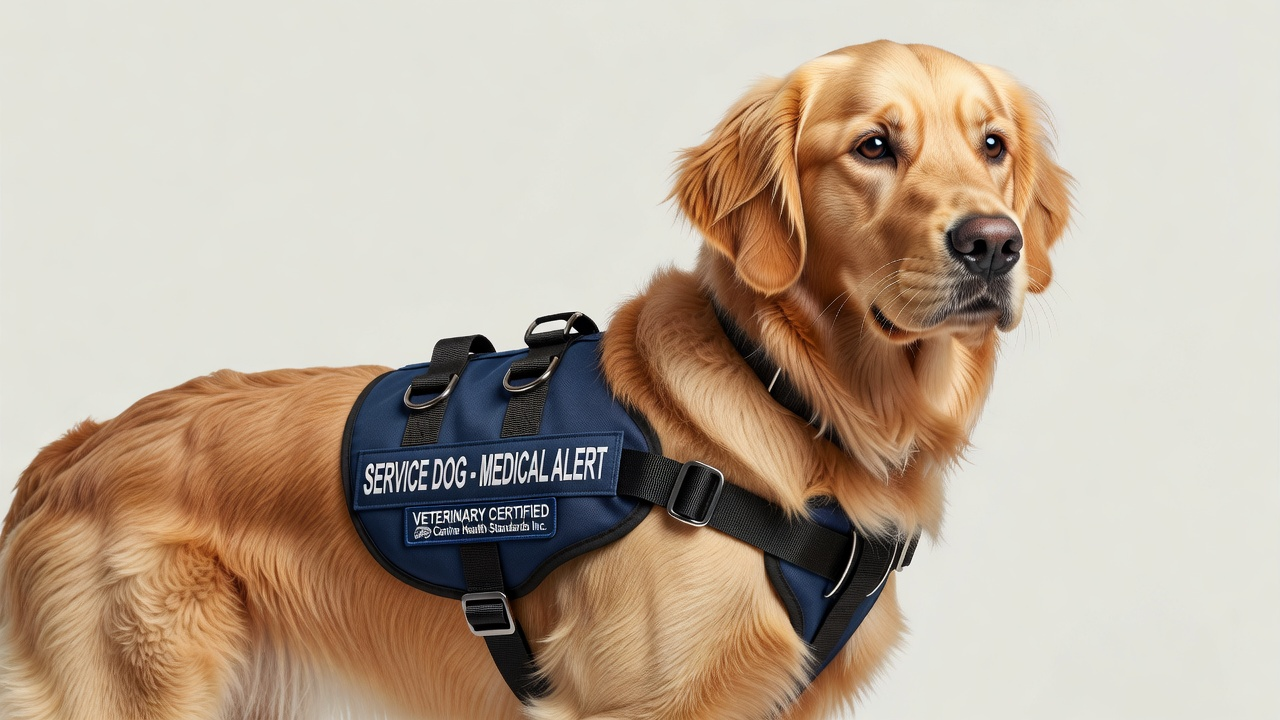
Essential Handler Responsibilities: Mastering Control, Housebreaking, and More
Picture this: You're navigating a bustling airport, your service dog steady at your side, eyes forward, ignoring the chaos of rolling suitcases and scurrying travelers. That seamless partnership? It's no accident. It's the hallmark of mastered handler responsibilities, where control, housebreaking, and daily diligence converge to create a reliable working duo. For handlers, these duties aren't just tasks—they're the invisible threads weaving independence into everyday life.
Whether you're new to the role or refining your skills, embracing these core responsibilities ensures your animal remains a true service partner, not a distraction. Let's dive into the essentials that elevate good handlers to great ones.
The Pillars of Control: Leash, Voice, and Focus
Control forms the bedrock of handler responsibilities. It's about more than holding a leash—it's cultivating unwavering focus amid distractions. Start with consistent leash work: short, firm holds that reward heel position without tension. Practice in escalating environments, from quiet parks to noisy streets, reinforcing commands like "heel" and "leave it" with high-value treats.
Voice control demands clarity and calm. Use distinct cues—sharp for redirects, soft for releases—and pair them with body language. A handler who falters here risks a reactive animal, turning public outings into tests of will rather than triumphs of teamwork.
- Maintain loose-leash walking to prevent pulling.
- Proof commands against temptations like food drops or other dogs.
- Daily sessions: 10-15 minutes build muscle memory without burnout.
Housebreaking: Building Unbreakable Reliability
Why It Matters for Every Handler
Housebreaking isn't a one-and-done—it's an ongoing handler responsibility that safeguards access rights. A fully housebroken service animal eliminates accidents, upholding the privilege of public entry. Begin with crate training: associate the space with safety, using scheduled potty breaks every 2-4 hours initially.
Monitor cues like sniffing or circling, interrupting with a neutral "outside" and immediate praise upon success. Consistency trumps punishment; track progress in a journal to spot patterns. For mature animals, refresher routines prevent regressions during stress or travel.
- Establish a rigid schedule tied to meals and wake times.
- Clean accidents with enzymatic cleaners to erase scents.
- Graduate to off-leash reliability in controlled settings.
Beyond Basics: Health, Etiquette, and Legal Duties
Handler responsibilities extend to holistic care. Grooming prevents matting and infections; vet checkups catch issues early. Nutrition fuels stamina—opt for high-protein kibble suited to working breeds.
In public, etiquette shines: Yield space, discourage petting without permission, and carry waste bags. Legally, service animal handlers must ensure tasks relate directly to disabilities, with documentation for housing or travel when required. These practices not only comply but command respect.
Reliability in the field mirrors the handler's commitment—steady, adaptable, unbreakable.
Elevate Your Partnership Today
Mastering these handler responsibilities transforms challenges into confidence. It's a daily rhythm of patience, precision, and pride. Your service animal doesn't just assist—they reflect your dedication. Commit now, and watch barriers dissolve.
About NAWN: The National Association for Working Animals (NAWN) empowers handlers through resources, training, and advocacy. Dedicated to fostering exceptional human-animal teams, NAWN supports service animal excellence nationwide. Visit our handler category for more tools and insights.