
Service Animal Handler Responsibilities: Keeping Your Dog Under Control, Behavior Standards & Removal Rules
Picture this: You're navigating a bustling airport, your loyal service dog at your side, eyes forward, mission clear. Suddenly, the dog lunges at a passerby, barking wildly. Heads turn. Security approaches. In that split second, your access to public spaces hangs by a thread. This isn't just a bad day—it's a stark reminder of core service animal handler responsibilities. One lapse in control, and the privilege of seamless integration evaporates.
Under the Americans with Disabilities Act (ADA), service dogs aren't mere pets; they're working animals with strict standards. Handlers bear the full weight of ensuring their dogs remain under control, housebroken, healthy, and unobtrusive. Get it right, and doors stay open. Falter, and removal looms. Let's break down what it takes to uphold these expectations.
Service Dog Must Be Under Control at All Times
The ADA mandates that a service dog must be under control in public—no exceptions. This means the handler maintains full command via leash, tether, harness, or voice control. Picture a quiet restaurant: your dog sits calmly under the table, ignoring distractions. That's the gold standard.
Leashes prevent tangling or wandering, harnesses signal purpose, and voice commands demonstrate trained responsiveness. If your dog pulls, growls, or ignores cues, it's out of control. Handlers can't use the disability as an excuse; responsibility rests solely with you.
Housebroken Requirement and Hygiene Essentials
No one wants accidents in stores or offices. Service animals must be fully housebroken, eliminating indoors without fail. This baseline hygiene protects public spaces and fellow patrons. Regular potty breaks during outings reinforce this—treat it like clockwork.
Health, Vaccination, and Preventive Care Standards
A service dog's health is non-negotiable. Keep vaccinations current—rabies, distemper, parvovirus—and maintain flea, tick, and heartworm preventives. Routine vet checkups catch issues early, ensuring your partner stays fit for duty. A sneezing, limping dog disrupts everyone; proactive care keeps missions smooth.
Equipment Identification Best Practices
Vests Not Required, But Highly Recommended
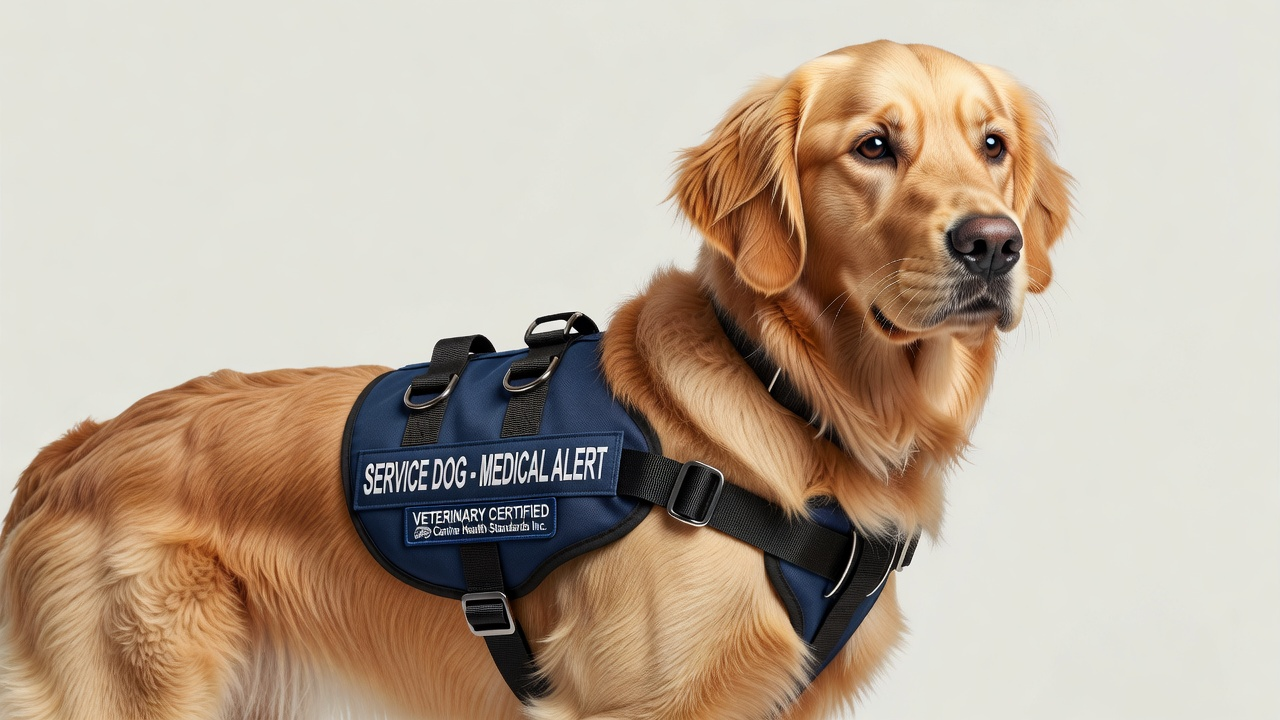
The ADA doesn't require vests or patches, but they clarify intent instantly. Opt for durable gear reading "Service Dog" or "Working Dog—Do Not Pet." ID tags with your contact info add layers of accountability. These tools deter distractions and educate the public without words.
Service Animal Behavior Standards: Ongoing Training Expectations
Training never ends. Reinforce commands daily: sit, stay, heel amid crowds and noises. Public behavior demands ignoring food, toys, or affection. Your dog heels quietly, focuses on you. Lapses? Back to basics with positive reinforcement. Consistency builds the calm professionalism businesses expect.
Legal Grounds: When a Service Dog Can Be Removed
Businesses can ask for removal under specific conditions: out of control (aggressive barking, lunging, snapping), not housebroken (soiling areas), or posing a direct threat (biting history). It's not discrimination—it's protecting safety. Once removed, re-entry requires proof of correction, like retraining certification.
A single incident can revoke access. Handlers: Stay vigilant.
Actionable Care Checklist for Handlers
- Daily: Practice voice control in varied environments.
- Weekly: Vet wellness checks and grooming.
- Monthly: Review vaccination records; update ID gear.
- Always: Leash/harness on; ignore petting requests.
- Emergency: Have a backup plan if behavior slips.
Master these service animal handler responsibilities, and your partnership thrives. Public trust hinges on your diligence—one well-behaved outing at a time.
About NAWN: The National Animal Welfare Network (NAWN) is America's species-neutral animal welfare platform — providing lifetime digital registry, lost-pet recovery, foster coordination, wildlife protection, youth education, and career pathways in animal welfare.