
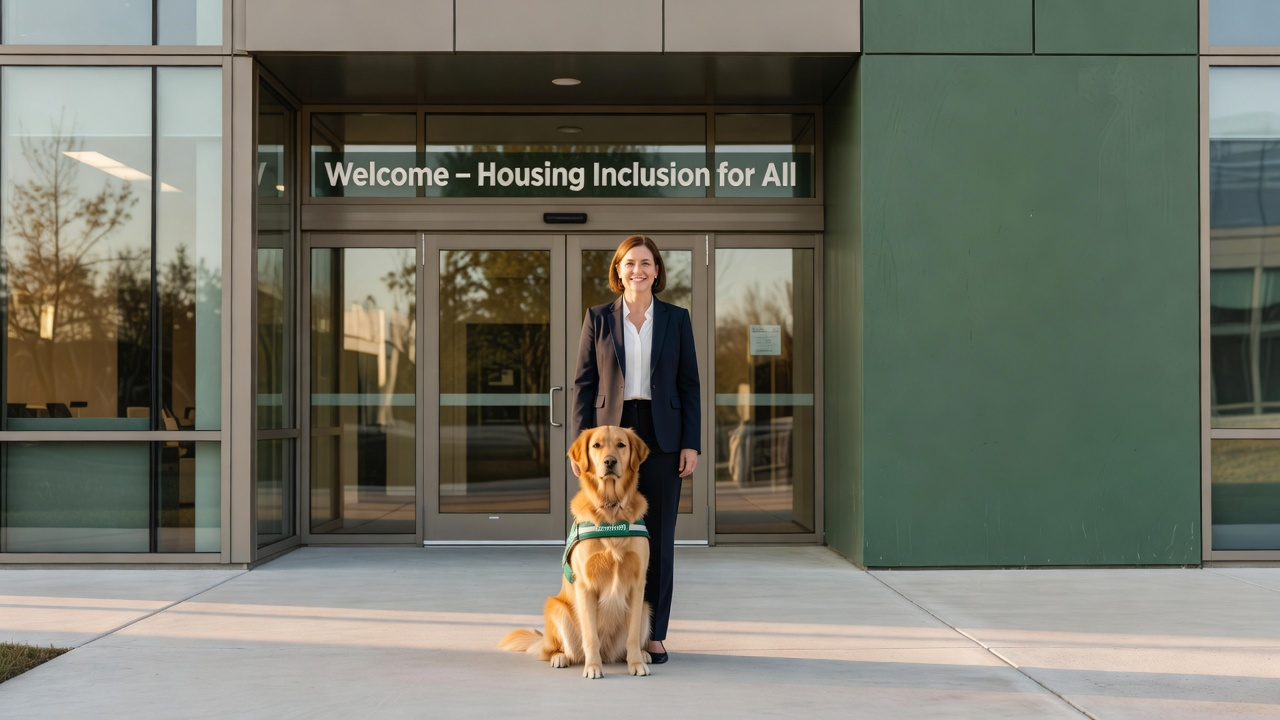
Service Animals in No-Pet Housing: FHA Rights and Reasonable Accommodations Explained
Picture this: You've found the perfect apartment—spacious, affordable, close to work. Your service dog, trained to alert you to seizures or guide you through crowds, waits patiently at your feet. But the leasing agent shakes their head: "No pets allowed." Heart sinking, you wonder: Does a housing service animal count as a pet? The answer, backed by federal law, is a resounding no—and it could change everything for renters like you.
The Fair Housing Act (FHA) levels the playing field, mandating reasonable accommodations for service animals in rental housing. This isn't a loophole; it's a protected right ensuring people with disabilities live independently. In this guide, we'll unpack your entitlements, how to assert them, and what happens when landlords push back. Whether you're navigating a strict no-pet policy or facing denial, knowledge is your strongest ally.
Understanding Service Animals Under the FHA
Not all animals qualify as service animals. The FHA defines them as dogs (or, in rare cases, miniature horses) individually trained to perform tasks directly related to a person's disability. Think guide dogs for the blind, seizure-alert dogs, or those retrieving dropped items for mobility-impaired individuals. Emotional support animals, while valuable, fall under a separate category and require different documentation.
The key distinction? Service animals aren't pets—they're medical equipment with paws. No certification or vest is legally required, though they help signal legitimacy. Landlords can't demand proof of training or health records beyond two simple questions: (1) Is this a service animal required for a disability? (2) What task does it perform? Privacy protections stop further prying.
FHA Rights: Overriding No-Pet Policies
Why No-Pet Rules Don't Apply to Housing Service Animals
Rental agreements often ban pets to avoid damage, noise, or allergies. But the FHA supersedes these policies for qualified service animals. Landlords must waive fees, deposits, or breed restrictions as a reasonable accommodation. Refusal? That's discrimination, plain and simple.
Consider the ripple effect: Without this right, thousands of disabled renters face homelessness or subpar housing. The U.S. Department of Housing and Urban Development (HUD) enforces these rules, investigating complaints and imposing fines up to $21,410 for first offenses.
How to Request Reasonable Accommodations
Securing approval starts with a clear, written request. Submit it before or at lease signing, detailing your disability (without oversharing) and the animal's specific tasks. Sample language: "I request permission for my service dog as a reasonable accommodation under the FHA."
- Provide reliable documentation if asked—perhaps a doctor's note confirming the need.
- Expect a response within a reasonable time, often 10-14 days.
- If denied, request the reason in writing; baseless refusals violate the law.
Pro tip: Research the property first. FHA covers most housing, but exemptions exist for owner-occupied buildings with four or fewer units.
Landlord Obligations and Common Pitfalls
Landlords can't charge pet rent or evict for the animal's presence, but they can act if it's out of control or poses a direct threat—proven by documented incidents, not assumptions. Allergies or fears from other tenants? Those require accommodations too, like designated areas.
Pitfalls abound: Vague requests lead to delays; untrained animals get mistaken for pets. Stay proactive—keep records of all communications.
Enforcing Your Rights: Next Steps if Denied
Stonewalled? File a HUD complaint online within one year—free and straightforward. Local fair housing centers offer mediation. Courts award damages, attorney fees, and injunctions in successful cases. Your service animal belongs in that no-pet apartment; the FHA makes it possible.
Empowered renters build better lives. Next time a door closes on your housing service animal, remember: Federal law holds it wide open.
About NAWN
NAWN is your advocate for renters with service animals, providing resources on service animal housing rights, legal templates, and community support to navigate no-pet challenges confidently.