
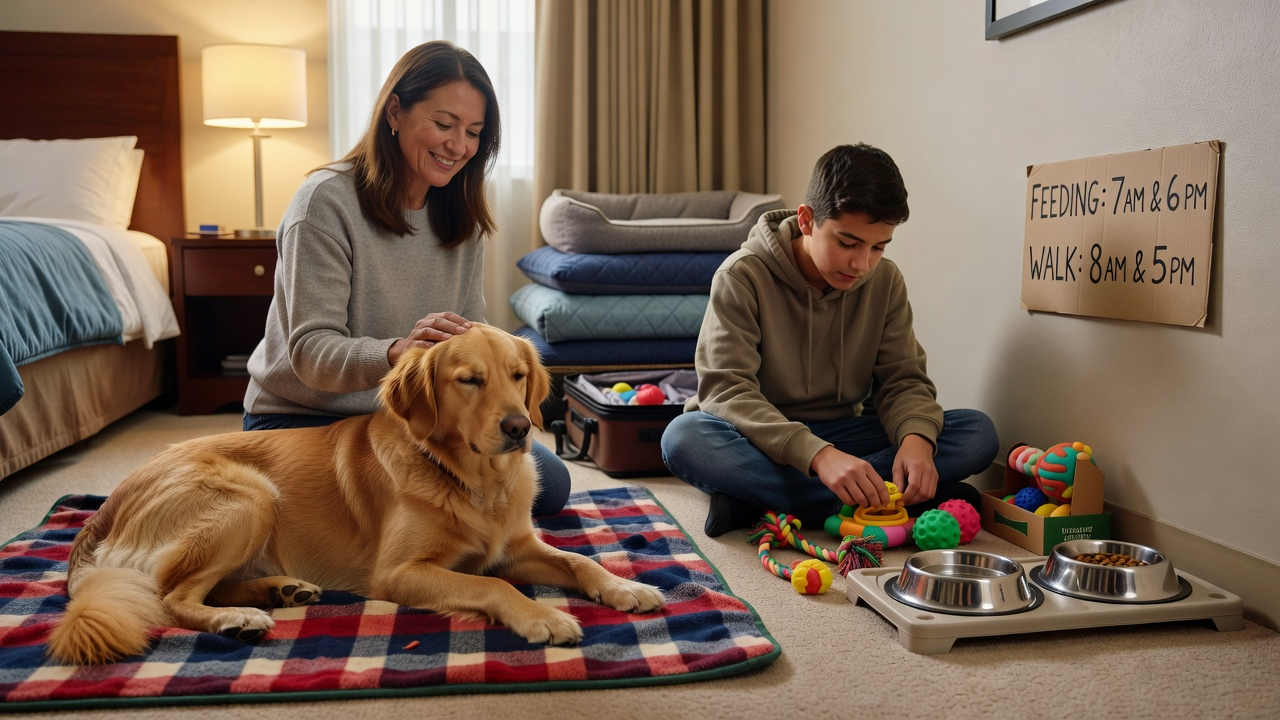
Daily Pet Care Routine During Displacement: Printable Stress Management Checklist for Stressed Pets Post-Disaster
Picture this: the world has upended—homes lost to floods, winds, or fires—and your loyal companion cowers in an unfamiliar shelter corner, ears pinned back, tail tucked. For displaced families, emergency shelter residents, and foster caregivers, witnessing stressed pets after disaster tugs at the heart. Yet amid the upheaval, a steady pet routine emergency becomes their anchor. This printable checklist equips you with compassionate, actionable steps for pet care during displacement, restoring calm through consistency. Print it, pin it up, and check off daily wins to help your pet reclaim security.
Consistent Feeding and Hydration: The Foundation of Stability
Chaos disrupts appetites, but predictable meals signal normalcy. Stick to pre-disaster schedules as closely as supplies allow, offering fresh water always. Watch portions to prevent overfeeding in low-activity days.
- Feed at the same times daily: morning and evening for most pets.
- Use familiar food brands; transition slowly if substitutes needed.
- Provide constant access to clean water in a stable bowl.
- Note intake: reduced appetite? Consult shelter vet.
Safe Containment Setup: A Secure Sanctuary
Unfamiliar spaces breed anxiety. Create a quiet, enclosed area mimicking home safety, away from high-traffic zones in shelters.
- Designate a crate or penned area with soft bedding.
- Cover crate partially for den-like security.
- Secure gates/latches; check for escape routes twice daily.
- Minimize disturbances during rest periods.
Enrichment Toys and Mental Stimulation: Combat Boredom
Idle minds wander to worry. Rotate simple toys to spark joy, easing stressed pets after disaster.
- Offer puzzle feeders or treat-dispensing toys.
- Rotate 2-3 toys daily to maintain novelty.
- Incorporate scent games with safe herbs or familiar smells.
Exercise in Unfamiliar Environments: Gentle Movement
Burn energy safely—leashed walks or indoor play prevent pent-up stress during pet care in displacement.
- Short, frequent leashed outings; avoid crowds.
- Indoor fetch or tug with soft toys.
- End sessions positively with treats/praise.
Monitoring Stress Signs: Appetite, Elimination, Behavior
Vigilance spots trouble early. Track changes in your pet's routine emergency indicators.
- Log appetite: refusal over 24 hours? Alert pros.
- Note elimination habits: diarrhea/constipation flags distress.
- Watch behavior: pacing, whining, hiding—respond gently.
Familiar Items, Scents, and Comfort: Bridging to Home
A worn blanket or toy whispers "you're safe." These bridges soothe frayed nerves.
- Place unwashed bedding/clothes in their space.
- Use favorite toys or a recorded voice clip.
- Gentle petting sessions, respecting boundaries.
When to Seek Behavioral Help: Know the Red Flags
Routines help, but pros intervene for persistent issues. Don't hesitate—your pet's resilience depends on it.
- Aggression, self-harm, or total withdrawal: contact vet/behaviorist immediately.
- No improvement after 3-5 days of routine: seek shelter resources.
- Leverage NAWN's foster coordination for specialized care.
In the storm's aftermath, your dedication turns survival into thriving. Check off these steps daily—watch tails wag again.
About NAWN: The National Animal Welfare Network (NAWN) is America's species-neutral animal welfare platform — providing lifetime digital registry, lost-pet recovery, foster coordination, wildlife protection, youth education, and career pathways in animal welfare.