
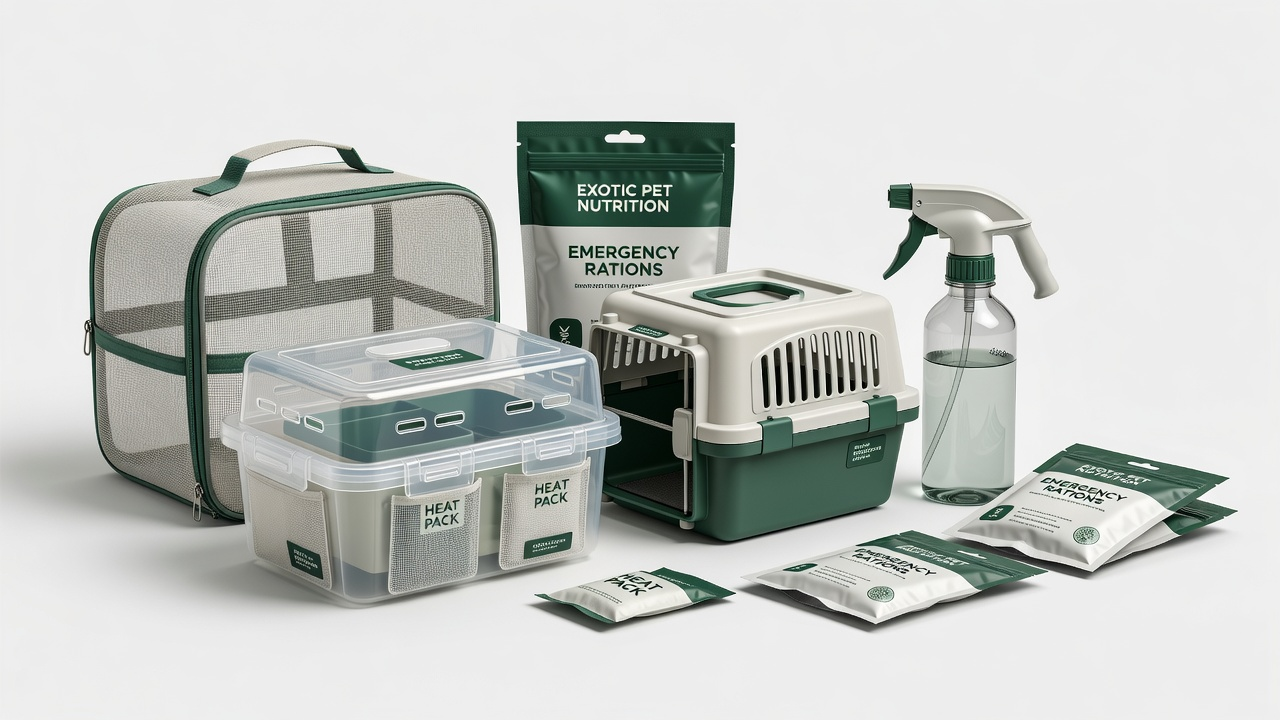
Exotic and Small Animal Emergency Preparedness: Birds, Reptiles, and Pocket Pets
Picture this: a sudden storm knocks out power for days, your bearded dragon's heat lamp flickers off, your cockatiel starts plucking feathers in panic, and your sugar glider squeezes through a cracked cage door into chaos. For exotic pet owners, disasters don't announce themselves—they strike fast, demanding split-second decisions. Are you equipped for the unexpected? This printable checklist arms you with the ultimate exotic pet emergency preparedness plan, tailored for birds, reptiles, and pocket pets like ferrets, hedgehogs, and rodents. Print it, check it twice, and safeguard your feathered, scaly, and furry companions.
Step 1: Build Your Core Emergency Contacts List
Start here—know your lifelines before crisis hits. An exotic vet contact list isn't optional; it's your first line of defense.
- Exotic vet's name, phone, after-hours emergency line, and clinic address (include 2-3 specialists for birds, reptiles, small mammals)
- Local animal emergency hospital or 24/7 clinic
- Poison control hotline for pets (e.g., ASPCA number: 888-426-4435)
- Family/friend backup contacts for pet evacuation help
Step 2: Temperature Control Essentials
Reptiles chill fatally below 75°F; birds overheat above 85°F; pocket pets huddle for warmth. Stock these for power outages or evacuations.
- Reusable heat packs (microwaveable or chemical, snake-safe)
- Cool packs or frozen water bottles wrapped in towels (for overheated birds/amphibians)
- Battery-powered mini fans or misters for humidity-loving reptiles
- Digital thermometer/hygrometer with backup batteries
- Mylar emergency blankets to insulate carriers
Step 3: Species-Specific Carriers and Enclosures
Bird Reptile Disaster Kit Must-Haves
- Ventilated airline carriers with perches/towels for birds (escape-proof for parrots)
- Secure reptile tubs/boxes with substrate, hides, and locks (size for snakes/lizards/turtles)
Small Animal Emergency Checklist Items
- Escape-proof carriers with wheels for ferrets/hedgehogs/guinea pigs (double-latch doors)
- Travel enclosures with food/water dishes and bedding
Step 4: Food, Water, and Handling Gear
72-hour minimum supply—specialized diets spoil fast, hydration is non-negotiable.
- Sealed, waterproof food storage (pellets, freeze-dried insects, seeds—species-specific, 1-week supply)
- Insulated water bottles/dishes (2 per animal) + purification tablets
- Misting bottles for reptiles/birds + electrolyte supplements
- Towels, gloves for safe handling (stress-minimizing scoops for skittish pocket pets)
Step 5: Power Outage and Evacuation Protocols
Plan for the blackout: prioritize relocation if temps swing wildly.
- Solar charger or car inverter for critical devices (UV lamps, humidifiers)
- Evacuation route map marked with pet-friendly hotels/shelters
- ID tags/ microchip info + recent photos of each pet
- First-aid kit: styptic powder, saline, tweezers (exotic-specific meds list)
Drill your plan quarterly. In the frenzy of flood or fire, muscle memory saves lives—and wings, scales, and whiskers. Your preparedness isn't just supplies; it's the bond that turns panic into poise.
About NAWN: Your comprehensive resource for exotic pet care, wildlife education, and emergency preparedness.