
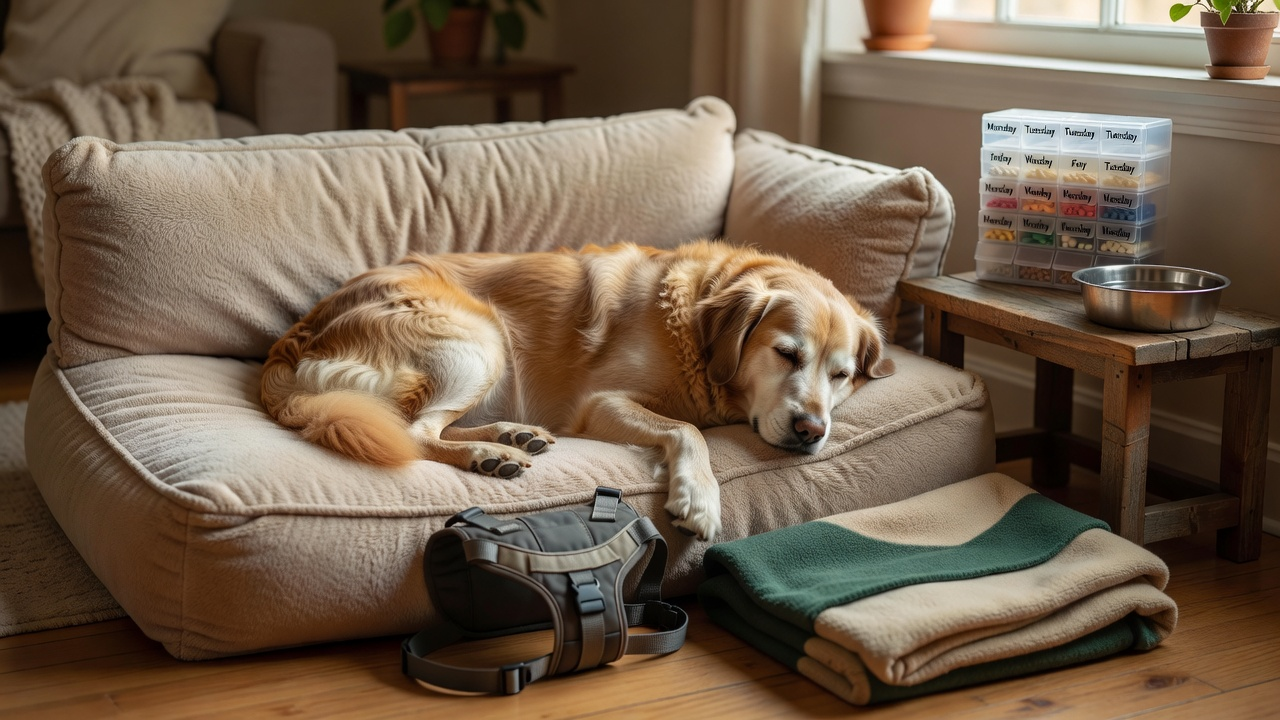
Senior Pet Emergency Preparedness: Special Considerations Checklist
Imagine the wail of sirens piercing the night as a wildfire races closer, your 16-year-old cat huddled in the corner, her frail frame trembling from arthritis. In that heart-stopping moment, senior pet emergency preparedness isn't just smart—it's a lifeline for your aging companion. This printable checklist arms caregivers of senior dogs and cats with targeted steps to build an aging pet disaster kit and an old dog emergency checklist (or cat equivalent). Tailored for pets over 10, it addresses vulnerabilities like reduced mobility, chronic conditions, and heightened stress. Print it, check it off, and gain peace of mind.
Vital Documents and Emergency Contacts
Start with paperwork that could save precious time. An updated medical summary acts as your pet's passport in chaos, detailing conditions, allergies, and ongoing treatments.
- ☐ Create or update a one-page medical summary: list age, weight, diagnoses (e.g., heart disease, kidney issues), allergies, current medications/dosages, vaccination history, and blood type if known.
- ☐ Gather vet specialist contact info: primary vet, emergency clinic (24/7), specialists (e.g., cardiologist, oncologist), and include phone numbers, addresses, and after-hours protocols.
- ☐ Photocopy/print all records; store digitally on phone and in waterproof folder. Add pet insurance details if applicable.
Medications and Health Supplies for Chronic Conditions
Seniors often juggle prescriptions—disasters disrupt supply chains, so stock up thoughtfully.
- ☐ Secure 2-4 weeks' extra medications and prescriptions: pain relievers, heart meds, insulin, thyroid pills—request refills now, store in original labeled bottles in cool, dry kit.
- ☐ Pack supplements: glucosamine for joints, probiotics for digestion; include pill splitter, syringes for liquids.
- ☐ Add basics: thermometer, tweezers for ticks, saline for eyes, bandages, antiseptic wipes.
Mobility Aids and Comfort Essentials
Arthritic legs falter in evacuations—equip for safe transport.
- ☐ Mobility aids: sturdy harness (not collar), portable ramp or steps, wheelchair/cart if used; sling or towel for lifting.
- ☐ Joint support bedding: orthopedic pet bed or mat, extra blankets/padding for shelter floors.
- ☐ Accessible carrier/crate: sized for age/mobility, with pee pads for incontinence.
Temperature Sensitivity and Daily Monitoring
Aging pets overheat or chill easily—monitor closely amid stress.
- ☐ Temperature aids: cooling vest/mat, extra towels/blankets, battery fan; note normal temp range.
- ☐ Twice-daily health checks protocol: log appetite, water intake, mobility, breathing, stool/urine, behavior; use simple chart in kit.
- ☐ Stress reducers: pheromone diffuser refills, favorite toys/blankets for familiar scents.
Seal your aging pet disaster kit in a grab-and-go waterproof bin, practice your evacuation route accounting for slower paces, and review quarterly. Your senior's golden years deserve this shield against the storm.
About NAWN: NAWN is the compassionate hub for senior pet owners, delivering expert advice on caring for aging dogs and cats.