
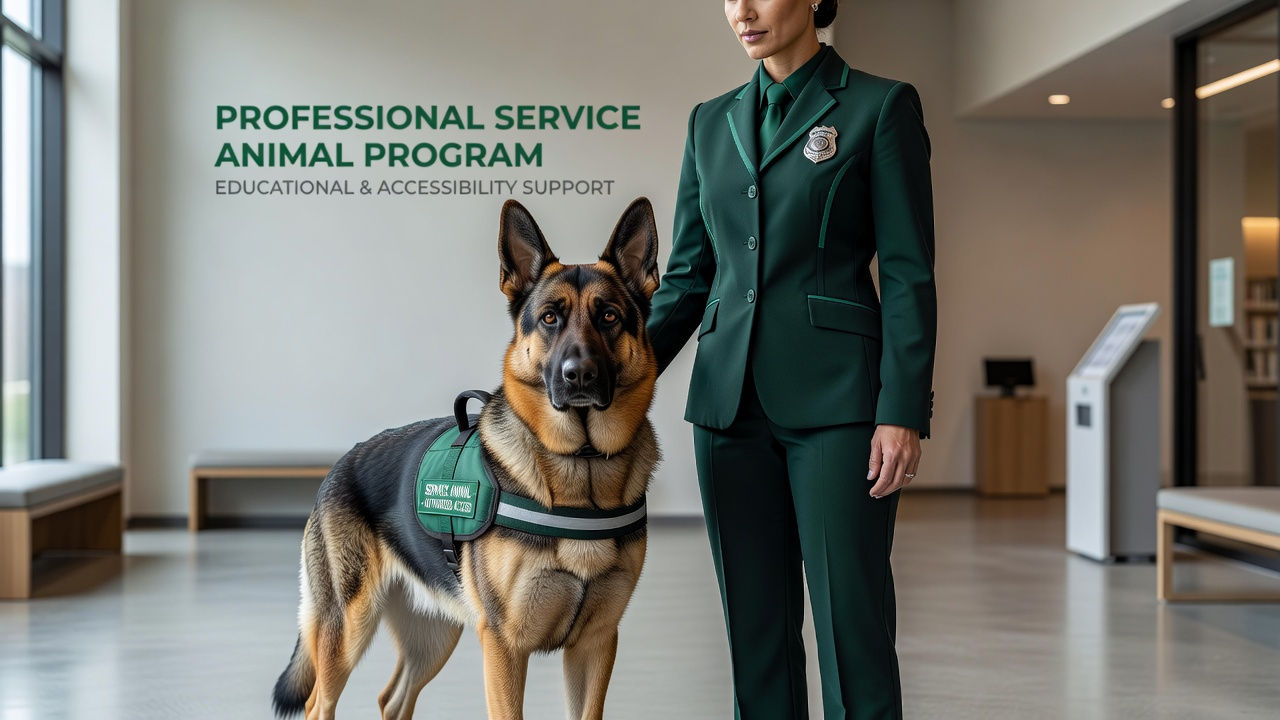
ADA Service Animal Rules: Rights, Access Rights, ESA Differences & Handler Responsibilities Explained
Picture this: You're navigating a bustling airport, your loyal Labrador at your side, eyes alert for the subtle cue that signals an oncoming seizure. Doors swing open without question. That's the power of the Americans with Disabilities Act (ADA)—a lifeline for millions relying on service animals. But myths swirl like fog around these rules, confusing handlers, businesses, and the public alike. What exactly defines ADA rules for service animals? Where can they go? And how do they differ from emotional support animals? Let's unpack it all, step by step, to empower you with clarity.
What Defines a Service Animal Under ADA Rules?
The ADA, enforced by the U.S. Department of Justice, cuts through the noise with precision. A service animal is a dog—or in rare cases, a miniature horse—individually trained to perform specific tasks or work directly related to a person's disability. Disabilities span physical, sensory, psychiatric, intellectual, or other mental impairments.
No certification, vest, or ID required. It's the training that counts—not the fluffy jacket or "service dog" patch. This keeps focus on function: guiding the blind, alerting to allergens, retrieving dropped items, or interrupting harmful behaviors.
Two Key Questions Businesses Can Ask
Curious staff can't demand proof. Only two questions are fair game: "Is the dog a service animal required because of a disability?" and "What work or task has the dog been trained to perform?" No health exams, no origin stories.
ADA Service Dog Rights: Where Access Is Guaranteed
- Public Accommodations: Restaurants, stores, hotels, theaters—service dogs go where you go, even "no pets" zones.
- Transportation: Buses, taxis, airlines (with FAA nuances).
- Government Buildings: Courthouses, libraries, polling places.
- Housing: Fair Housing Act bolsters ADA for rentals.
Exceptions? Sterile medical zones like operating rooms or areas posing direct threats, like food prep where fur flies. But blanket bans? Illegal.
Service Animals vs. ESAs: Critical Differences
Emotional Support Animals (ESAs) comfort via presence alone—no training needed, often just a doctor's letter. They shine in housing (Fair Housing Act) and flights (pre-2021 rules changed), but not public access. ADA service dog rights demand task-training; ESAs don't qualify. Mistaking a pet for a service dog erodes trust for true teams.
Service animals work. ESAs soothe. The line is task-specific training.
Handler Responsibilities: Keeping the Bond Strong
Rights come with duties. Handlers must ensure their animal is housebroken, vaccinated, under control (leash or harness, unless it interferes), and doesn't pose safety risks. Clean up waste promptly. If the dog misbehaves—growling, jumping, relieving itself indoors—businesses can ask you to leave. No second chances for disruption.
Busting Common Misconceptions
- Vests aren't mandatory—training is.
- Any breed qualifies if trained properly.
- Puppies in training? State laws vary; ADA covers fully trained only.
- Multiple dogs? Allowed if each serves a unique task.
Navigating ADA Rules with Confidence
These ADA rules for service animals aren't just legalese—they're bridges to independence. Handlers, train rigorously. Businesses, ask the two questions and welcome the team. Dispel myths to foster respect. Your knowledge today could smooth tomorrow's path.
About NAWN
NAWN is the premier resource for navigating animal welfare, working dogs, and public access rights, empowering handlers, advocates, and communities with expert guidance on service animals and beyond.