
Animal Welfare Act (AWA) Compliance Guide: USDA APHIS Regulations, Shelter Standards & Breeder Essentials
Imagine this: a USDA inspector pulls up unannounced to your shelter gates, clipboard in hand, eyes scanning every enclosure. Hearts race, questions swirl—Are the animals housed properly? Is veterinary care documented? In the high-stakes world of animal care, one misstep under the Animal Welfare Act (AWA) can trigger citations, fines, or worse. Whether you're a shelter worker juggling intakes, a rescue operator coordinating fosters, or a breeder scaling operations, mastering AWA compliance isn't optional—it's essential for protecting animals and your mission.
This guide demystifies USDA APHIS regulations, breaks down shelter compliance and breeder regulations, and spotlights animal housing standards. Drawing directly from the authoritative AWIC (Animal Welfare Information Center) resources, we'll equip you with actionable knowledge to thrive under scrutiny.
A Brief History of the Animal Welfare Act
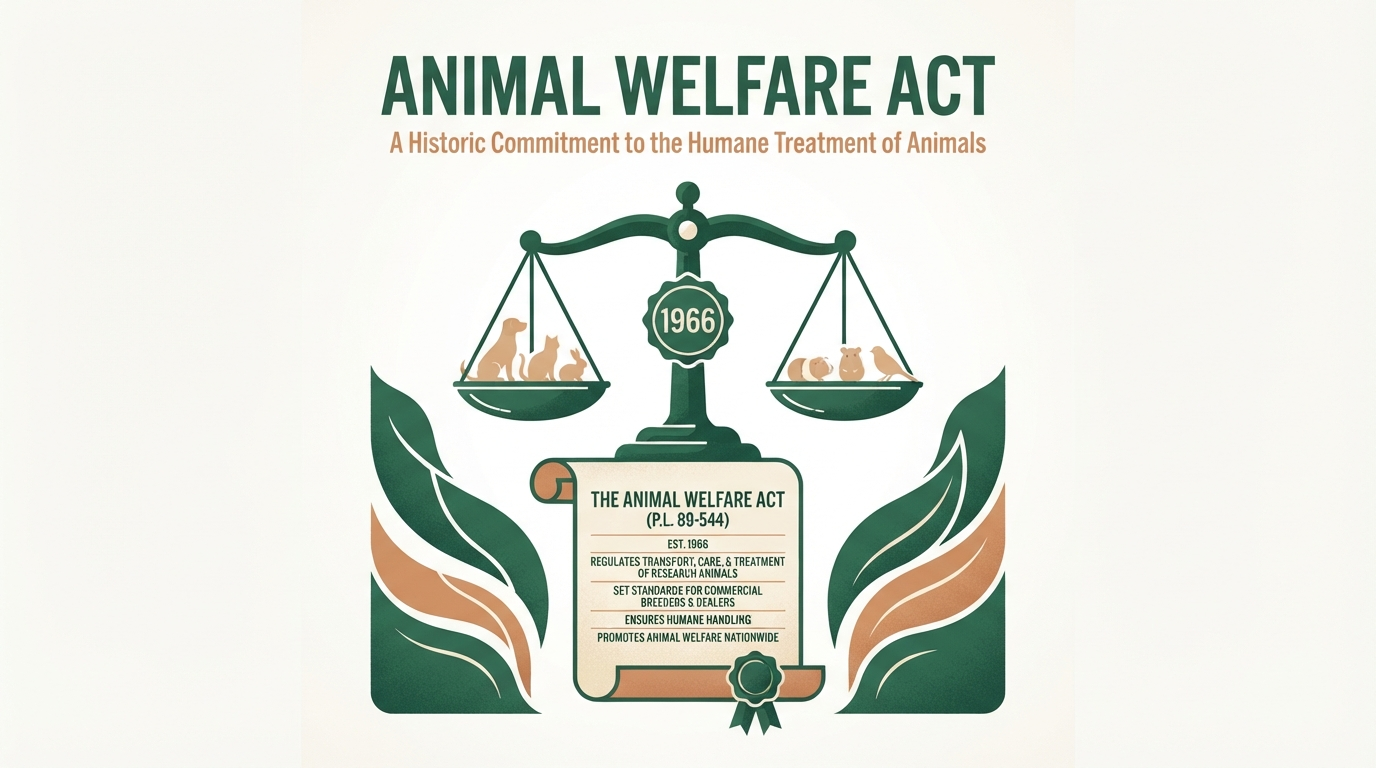
The Animal Welfare Act burst onto the scene in 1966, born from public outrage over pet thefts fueling laboratory experiments—a scandal exposed in LIFE magazine that year. Congress acted swiftly, enacting the AWA to set baseline federal standards for animal care in research, transport, and commerce.
Fast-forward to 1985: amendments strengthened the law, mandating the creation of the AWIC under the USDA's National Agricultural Library. This pivotal center now curates compliance guides, historical documents, and training materials, making the AWA's evolution accessible. As AWIC records show in its AWA Historical Digital Collection, these updates addressed gaps in veterinary oversight and exercise requirements, evolving the Act into a robust framework still guiding us today.
Purpose and Scope: Who Must Comply with the AWA?
At its core, the AWA safeguards animals from inhumane treatment in regulated activities. It doesn't dictate morality but enforces minimum standards for welfare, ensuring creatures aren't mere commodities.
Regulated Facilities
The law targets specific operations: research facilities experimenting on live animals; exhibitors like zoos or traveling shows; commercial breeders selling wholesale; dealers brokering animals; and transporters moving them interstate. If your operation fits these—say, breeding more than a handful for profit—you're likely licensed under USDA APHIS.
Key Exemptions
- Private pet owners keeping animals for personal use.
- Agricultural operations raising livestock for food or fiber.
- Many shelters and rescues, unless they sell animals commercially, exhibit them, or transport interstate for profit—check your activities carefully, as thresholds vary.
AWIC clarifies these boundaries in its compliance resources, urging operators to self-assess scope before assuming exemption.
Core Animal Housing Standards Under the AWA
Animal housing standards form the AWA's backbone, detailed in 9 CFR Parts 1-4. These aren't suggestions—they're mandates for primary enclosures that promote physical and behavioral health.
- Housing: Enclosures must provide sufficient space for natural postures, movement, and social needs—no overcrowding that causes injury or distress.
- Feeding and Watering: Nutritious diets suited to species, delivered daily; clean, potable water available at all times.
- Sanitation: Daily waste removal to prevent contamination; surfaces cleaned and disinfected regularly.
- Ventilation and Temperature: Adequate airflow, shelter from extremes of heat, cold, and weather—think shaded runs in summer, insulated shelters in winter.
- Veterinary Care: A program of prevention, diagnosis, and treatment; daily monitoring for illness or injury.
- Handling: Gentle techniques minimizing stress, with trained staff.
AWIC's guides emphasize documentation: logs for feeding, vet visits, and maintenance prove compliance when inspectors arrive.
Shelter Compliance vs. Breeder Regulations: Key Differences
Not all animal care falls equally under the AWA. Shelters and rescues often skate by unlicensed if focused on rehoming without commerce, but any sales or exhibitions trigger oversight. Commercial breeders, however, face stricter breeder regulations: annual licenses, facility diagrams, and record-keeping for every animal's provenance.
For fosters or small rescues, voluntary alignment with animal housing standards builds credibility and prepares for potential audits. Breeders must submit health certificates and adhere to weaning ages. AWIC tailors advice here, noting shelters might prioritize sanitation amid high turnover, while breeders focus on long-term housing for breeding stock.
Enforcement: USDA APHIS Animal Care Inspections
USDA APHIS Animal Care enforces via surprise and routine inspections—expect twice yearly for licensees, more if complaints arise. Inspectors evaluate against 9 CFR, photographing issues and issuing citations from "direct noncompliance" (fixable on-site) to severe violations warranting fines up to $12,192 per instance or license revocation.
Preparation? Walk your facility as an inspector would: check locks, water bowls, vet records. Post-inspection, correct promptly and retain reports—transparency shields against escalation.
Essential Resources for AWA Compliance
Dive into primary sources: the full regulations at 9 CFR online. For user-friendly guides, visit AWIC at nal.usda.gov/awic, home to compliance handbooks and the AWA Historical Digital Collection for context.
AWIC offers webinars, posters, and checklists—your one-stop for staying current amid amendments.
Practical Self-Assessment Checklist
Empower your team with this AWIC-inspired checklist. Review quarterly:
- Are enclosures sized per species needs, free of sharp edges?
- Daily logs confirm feeding, watering, and waste removal?
- Ventilation prevents drafts or stagnation; temps monitored?
- Vet program active with exam records and emergency protocols?
- Staff trained in handling; socialization opportunities provided?
- Records track animal IDs, sources, and dispositions?
- Isolation areas ready for sick animals?
Navigating the Animal Welfare Act demands vigilance, but compliance fortifies your work—safeguarding animals while sustaining operations. Harness USDA APHIS, AWIC, and these standards to elevate care beyond minimums.
About NAWN: The National Animal Welfare Network (NAWN) is America's species-neutral animal welfare platform — providing lifetime digital registry, lost-pet recovery, foster coordination, wildlife protection, youth education, and career pathways in animal welfare.