
Gulf Coast Hurricane Pet Preparedness Guide: Evacuation Plans, Flood Safety & Wildlife Tips for Dogs, Cats & Livestock
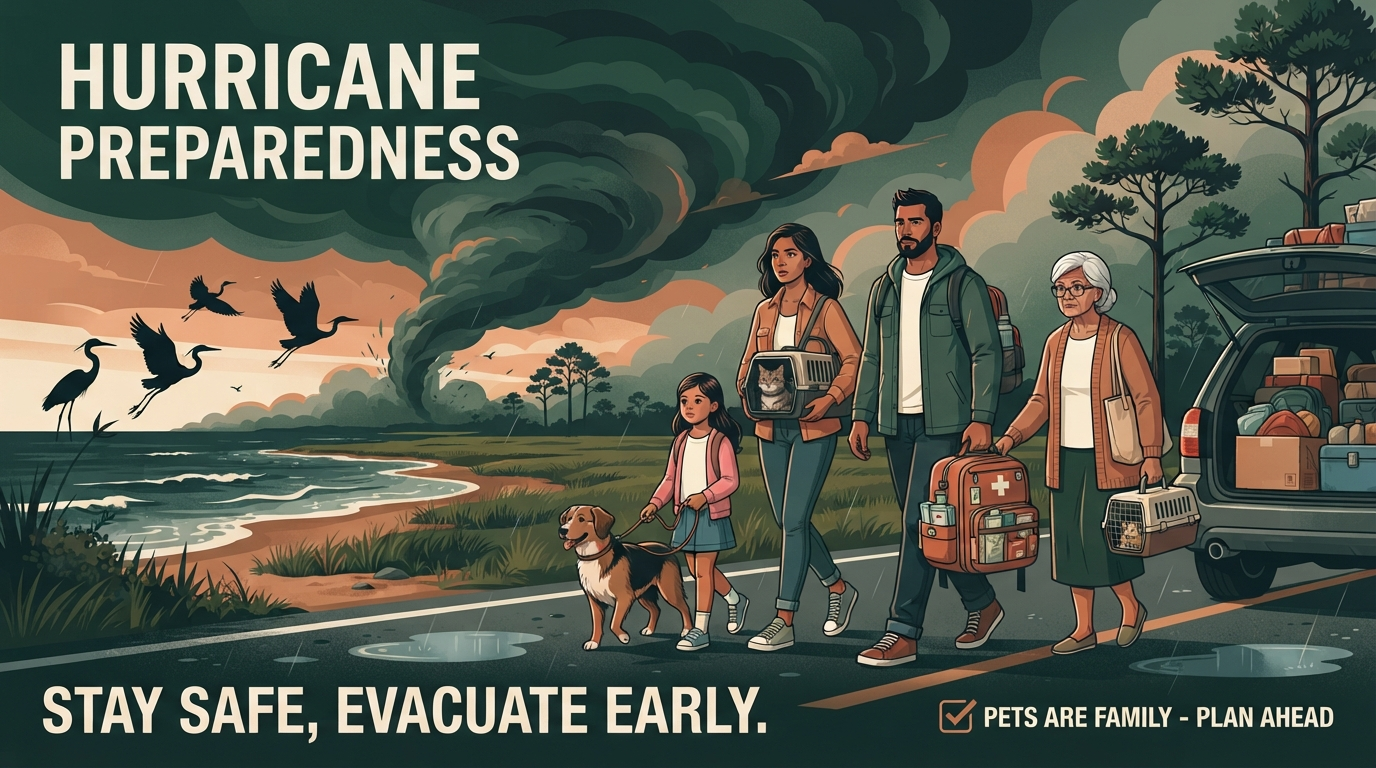
Picture this: the sky darkens over your Texas ranch as Hurricane Beryl's remnants churn toward shore, storm surge licking at levees in Louisiana, or floodwaters rising swiftly through Mississippi streets. Your dog cowers at the thunder, your cat hisses at the wind, and your livestock stamps uneasily in the barn. In the Gulf Coast and Southeast—from Texas to South Carolina—hurricanes aren't just weather events; they're life-altering forces that demand a hurricane pet preparedness Gulf Coast plan tailored to our vulnerable animal companions. With storm seasons growing fiercer, pet owners, foster caregivers, livestock handlers, and wildlife advocates can't afford to wing it. This guide equips you with actionable steps for evacuation, flood safety for dogs and cats, wildlife encounters, and livestock relocation, ensuring every member of your household survives.
Understanding the Dual Threat: Hurricanes and Flooding on the Gulf Coast
Gulf Coast hurricanes pack a one-two punch: ferocious winds topple trees and power lines, while torrential rains and storm surges unleash biblical flooding. In low-lying areas like coastal Florida, Alabama's bays, or Georgia's barrier islands, even Category 1 storms can send 10-foot surges inland. Louisiana's levees hold back the Mississippi but falter under pressure, turning neighborhoods into lakes overnight. For pets, this means more than wet fur—floodwaters carry contaminants, debris, and displaced wildlife. Dogs paddle frantically, cats climb to rooftops, and livestock face drowning in pastures. Preparation isn't optional; it's the barrier between chaos and calm.
Pre-Season Preparation: Your May Checklist for Hurricane Pet Preparedness Gulf Coast
Hurricane season officially kicks off June 1, but savvy Gulf Coast residents start in May. Use this pre-season checklist to fortify your pet evacuation plan before the first tropical disturbance spins up in the Atlantic.
Printable Pre-Season Checklist
- Microchip all pets and livestock; update contact info with registries like NAWN for species-neutral recovery.
- Schedule vet checkups: Update vaccines, heartworm preventives, and prescriptions for a 30-day supply.
- Train pets on carriers, leashes, and loading into vehicles—practice evac drills weekly.
- Map multiple evacuation routes, noting pet-friendly gas stations and high-ground spots.
- Secure outdoor enclosures: Reinforce fences, install flood barriers around coops or pens.
- Inventory supplies and test generators for power outages common in rural South Carolina or Florida Panhandle.
- Coordinate with neighbors or fosters for buddy systems during evacuations.
- Register for local alerts via apps like FEMA or state emergency systems in TX, LA, MS, AL, FL, GA, SC.
Building Your Pet Go-Bag: 7-Day Supplies for Dogs, Cats, and More
A robust go-bag is the cornerstone of any pet evacuation plan. Pack for seven days minimum, stowing it in waterproof bins near your exit door. Customize for dogs' kibble and leashes, cats' litter and scratching posts, or livestock's hay and electrolytes.
Printable Go-Bag Checklist for Pets
- Non-perishable food: 7 days' worth per animal, plus can opener/manual feeder.
- Potable water: 1 gallon per day per large dog/horse; collapsible bowls.
- Medications: Labeled bottles, syringes; pest control for fleas/ticks post-flood.
- Comfort items: Familiar blankets, toys, catnip for stress relief.
- Hygiene: Litter, waste bags, grooming tools, pet-safe disinfectants.
- Identification: Collars with tags, photos of you with pets, vaccination records.
- Transport gear: Crates, carriers, life vests for flood-prone areas, tarps for livestock trailers.
- First aid: Bandages, tweezers for snake bites, thermometer, styptic powder.
- Cash, copies of deeds/insurance, battery radio, extra batteries.
Refresh monthly—rotate food to keep it fresh, like clockwork before June's heat amps up.
Crafting a Pet Evacuation Plan Template for Families with Animals
Your pet evacuation plan isn't a scribble on a napkin; it's a rehearsed blueprint. Assign roles: Who grabs the dogs? Loads the cats? Trails the livestock? Practice twice monthly, timing it under 60 minutes.
- Monitor threats: Track via NOAA, NHC; evac when ordered, even for pets-only zones.
- Load and go: Secure pets first, then humans; head north or to designated high ground.
- Route options: Avoid low bridges in MS/AL; use I-10/95 corridors.
- Buddy backups: Share plans with out-of-state contacts.
- Post-evac check-in: Use NAWN's registry for lost pet reunions.
Flood Safety for Dogs, Cats, and Small Pets During and After Storms
Flood safety dogs cats starts with never underestimating water's power. Six inches can sweep away a car; for pets, it's a death trap laced with sewage and chemicals from breached levees.
- Evacuate early—don't wait for mandatory orders.
- Use pet life jackets in vehicles crossing flood-prone roads.
- Post-flood: Avoid standing water rife with leptospirosis; hose pets down away from home.
- Dry elevated areas for cats; never force swim untrained dogs.
After, inspect for injuries hidden under wet fur—compassionate care saves lives.
Post-Storm Wildlife Encounters: Alligators, Snakes, and Displaced Birds
Alligator snake wildlife hurricane surges inland, turning backyards into swamps. Floods displace gators from LA bayous into TX suburbs, snakes slither into debris piles across FL and GA, and coastal birds seek refuge in unexpected spots.
- Keep pets leashed; report gators to wildlife hotlines (e.g., FWC in FL).
- Probe debris with poles before letting dogs sniff—rattlers love cover.
- Birds: Offer shallow water but isolate if sick from stress.
- Never feed wildlife; it prolongs displacement.
Livestock Relocation Hurricane: Early Action for Horses, Cattle, and Poultry
Livestock relocation hurricane demands foresight—trucks ready, high pastures scouted. In rural SC or AL, move horses to upper farms days ahead; poultry to ventilated trailers.
- Fuel trailers, chain saws for downed trees.
- Relocate to pre-arranged farms or fairgrounds.
- Provide shade, fly control post-move.
Finding Pet-Friendly Shelters and Hurricane Recovery Resources
Pet-friendly shelters vary: Search Red Cross, state sites for TX Task Force 1, LA ANSN, or FL's pet modules. Hotels like PetFriendlyTravel.com list options. Post-storm, NAWN streamlines recovery.
The National Animal Welfare Network (NAWN) is your species-neutral ally—a trusted animal registry, recovery, and compassionate care network serving families nationwide from the Gulf Coast to the Carolinas. With privacy-safe QR codes for quick ID, verified care coordinators, and seamless reunions for dogs, cats, livestock, and wildlife, NAWN turns disaster into homecomings. Register today at NAWN.org—because every life deserves a plan.