
Service Animal Handler Responsibilities: Mastering Control Standards, Training, Health & More
Picture this: you're navigating a bustling airport, your service dog at your side, eyes locked in that quiet partnership forged through countless training sessions. Suddenly, a distraction pulls the leash taut. In that split second, everything hinges on service animal handler responsibilities—the invisible thread ensuring access, safety, and respect for all. These duties aren't mere formalities; they're the backbone of legal protections under laws like the Americans with Disabilities Act (ADA). Master them, and you safeguard your rights while honoring public spaces.
From ironclad control standards to vigilant health protocols, handlers must embody diligence. This guide unpacks the essentials: control, housebreaking, health and vaccinations, equipment, training, and scenarios for removal. Get it right, and your service animal becomes an extension of seamless independence.
Control Standards: The Cornerstone of Handler Responsibilities
Control isn't optional—it's non-negotiable. Service animal handler responsibilities demand that your dog (or miniature horse) remains under your command at all times in public. The ADA mandates a harness, leash, or tether, unless it interferes with the animal's tasks, like a seizure alert requiring free movement. In those cases, voice commands, signals, or other effective means take over.
Failure here? Staff can ask you to regain control. Barking wildly, jumping on strangers, or lunging spells trouble. Proactive handlers anticipate chaos—practicing in simulated crowds builds that unbreakable bond. It's about harmony: your animal performs, the public stays undisturbed.
Housebroken Habits: A Basic Yet Critical Duty
No one wants accidents in a store aisle. Service animal handler responsibilities include ensuring your partner is fully housebroken—capable of holding it until an appropriate outdoor spot. This means consistent routines: frequent potty breaks, crate training reinforcements, and zero tolerance for lapses.
- Clean up immediately with waste bags—always carry extras.
- Monitor for stress signals that might trigger issues.
- Train for varied environments, from malls to offices.
Housebreaking upholds dignity for everyone, preventing exclusions that could deny your access rights.
Health and Vaccination Vigilance
Keeping Your Service Animal in Peak Condition
A sickly service animal risks exclusion. Handlers must maintain up-to-date vaccinations per local laws—rabies shots are universal, alongside core vaccines like distemper and parvovirus. Routine vet checkups catch issues early: fleas, infections, or behavioral shifts from pain.
Service animal handler responsibilities extend to grooming: trimmed nails, clean coat, no odors. Wellness proves your animal poses no health threat, aligning with ADA allowances.
Equipment Essentials for Clear Identification
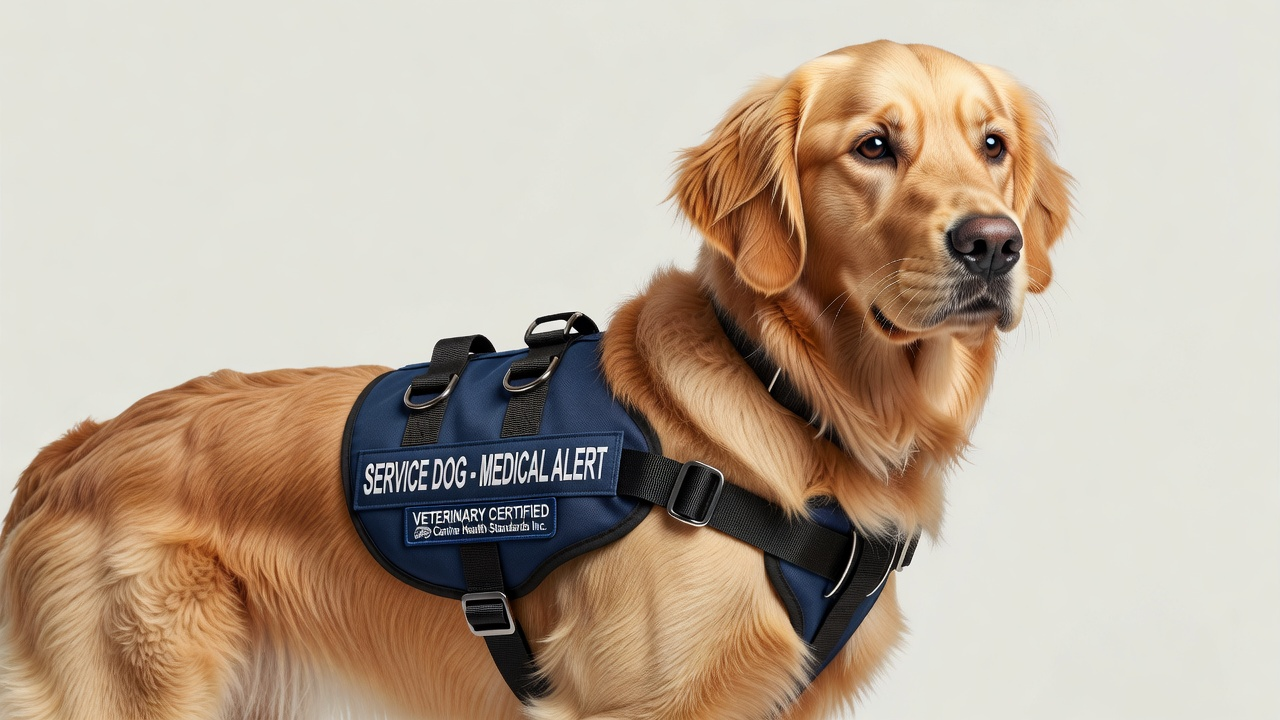
While vests or tags aren't legally required, smart handlers equip strategically. A sturdy harness signals purpose, doubling as a handle for mobility support. ID patches reading "Working Service Animal—Do Not Pet" deter distractions. Carry vet records or training logs for verification, reinforcing control standards.
Training: Building a Task-Master Partner
True service animals perform specific tasks—guiding the blind, detecting seizures, or calming PTSD episodes. Handler responsibilities include ongoing training: daily drills, proofing against distractions, and adapting to new challenges. No certification needed, but proficiency is everything. Enroll in professional programs or self-train with positive reinforcement for reliability.
When Removal Becomes Necessary
Public venues can remove animals only if they pose a direct threat, aren't housebroken, or are out of control despite your efforts. Aggression, excessive noise, or hygiene failures trigger this. Handlers: respond calmly, regain control if possible, or leave voluntarily to preserve future access. Prevention through diligence keeps these moments rare.
Embrace these service animal handler responsibilities, and your partnership thrives—empowering independence without compromise.
About NAWN
NAWN champions service animal handlers through expert resources, advocacy, and community support. Visit us for guides, forums, and tools to elevate your journey.