
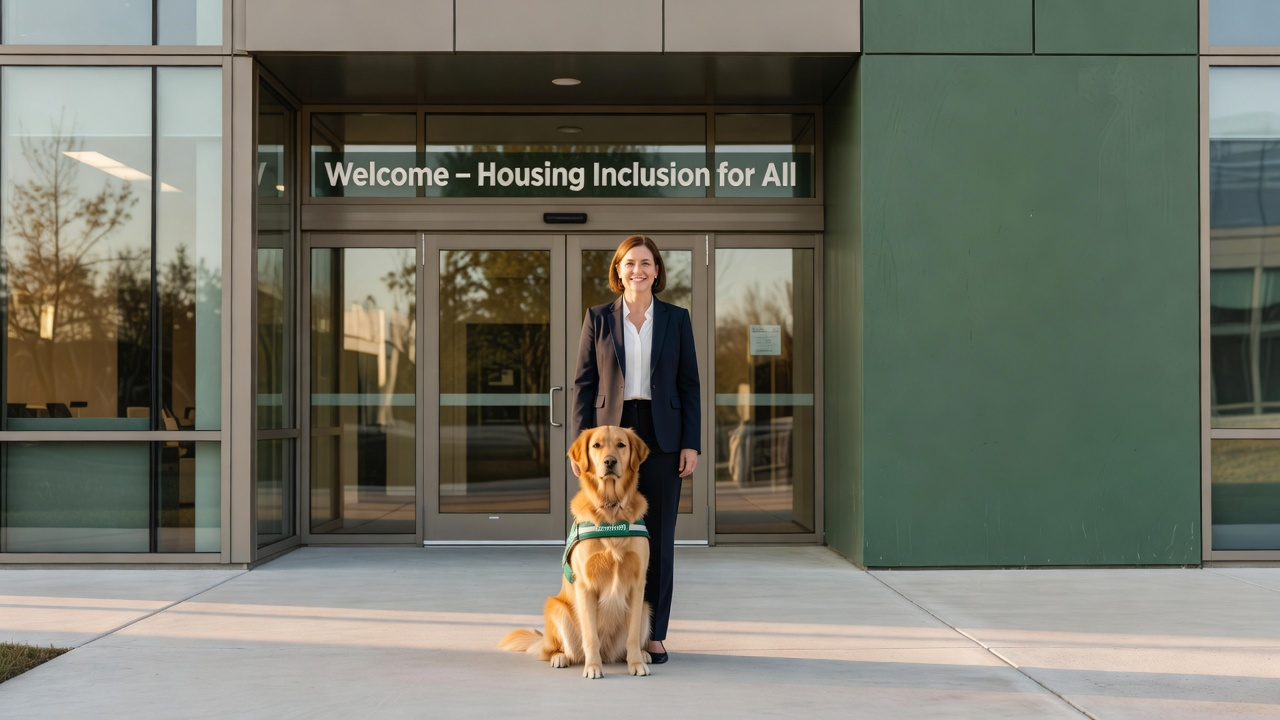
Service Animal Housing Rights: FHA Reasonable Accommodations vs. No-Pet Policies & Breed Restrictions
Imagine the Door Slamming Shut on Your Lifeline
Picture this: You've trained a golden retriever to detect your seizures before they strike, a furry guardian that's more reliable than any gadget. But when you hand your lease application to the apartment manager, their eyes narrow at the words "service animal." "No pets allowed," they snap, waving the no-pet policy like a shield. Your heart sinks. This isn't just a dog—it's your independence. Welcome to the front lines of service animal housing rights, where the Fair Housing Act (FHA) draws a bold line between convenience and civil rights.
The FHA, enforced by the U.S. Department of Housing and Urban Development (HUD), mandates FHA reasonable accommodations for people with disabilities. Service animals aren't pets; they're tools for equal access to housing. Landlords must bend their rules—or break the law.
FHA Protections: What Counts as a Service Animal?
Under the FHA, a service animal is defined broadly: any dog (yes, typically dogs) individually trained to perform tasks for a person with a disability. Think guide dogs for the blind, seizure-alert dogs, or psychiatric service dogs that interrupt PTSD episodes. No vest or certification required—just proof of need and training.
The law doesn't demand paperwork floods. A simple request letter suffices, outlining your disability and how the animal helps. Landlords can't demand medical records or vet bills. It's about trust in the system, not interrogation.
Clashing with No-Pet Policies and Breed Bans
No-Pet Policies? They're Not Ironclad
That "No Pets" sign in the lobby? It's void against FHA reasonable accommodations. Landlords must allow service animals, waiving pet fees, deposits, or bans. Miniature horses qualify too, if trained for tasks—though that's rarer in apartments.
Breed Restrictions: Pit Bulls and Beyond
Breed-specific legislation haunts rentals, with pit bulls, Rottweilers, and others often blacklisted for insurance reasons. But FHA trumps these. HUD guidance explicitly states breed, size, or weight restrictions can't block service animals. A well-trained pit bull service dog for mobility support? Protected.
- Landlords can't charge extra for service animals.
- No eviction threats based on "aggressive breeds."
- Control is key: The animal must be housebroken and well-behaved.
When Denial Happens: The Process and Your Power
Landlords aren't powerless. They can deny if the animal poses a direct threat—documented aggression, not assumptions—or causes undue burden, like major property damage. Emotional support animals (ESAs) differ; they're not task-trained, so no-pet rules might hold unless proven necessary.
Faced with denial? Request in writing first. Still no? File a HUD complaint within one year. Online forms are straightforward; HUD investigates, mediates, or sues. Fair Housing organizations offer free legal aid. Thousands succeed yearly, reclaiming homes and dignity.
- Submit accommodation request (email or letter).
- Document denial.
- File at hud.gov.
- Follow up; mediation often resolves fast.
Your Housing Rights, Secured
Service animal housing rights aren't abstract—they're lifelines. FHA reasonable accommodations dismantle no-pet policies and breed restrictions, ensuring disabilities don't bar you from home. Know your rights, assert them calmly, and watch barriers crumble. Your companion deserves that door flung wide open.
About NAWN: NAWN champions animal welfare nationwide, providing resources on laws, advocacy, and community support to protect pets and their people. Explore our housing category for more on navigating rentals with your furry family.