
Ultimate Guide to Low-Cost Spay/Neuter Programs: Free Clinics Near Me via ASPCA & More
Imagine discovering a litter of kittens under your porch, their tiny mews echoing like a plea for help. Or watching your beloved dog pace restlessly, driven by instincts that lead to unwanted litters. These scenes play out daily across America, but they don't have to. Low cost spay neuter programs offer a lifeline, slashing expenses while curbing pet overpopulation, boosting health, and easing behavioral woes. Whether you're a pet owner juggling bills, a rescue volunteer racing against time, or a foster family nurturing strays, this guide unlocks free spay neuter near me options—from ASPCA spay neuter tools to nationwide networks—empowering you to act.
Why Spay or Neuter? Health, Behavior, and Overpopulation Wins
Spaying females or neutering males isn't just routine—it's transformative. For dogs, cats, and even rabbits, these procedures slash cancer risks: mammary tumors drop by 90% in cats if spayed early, while unspayed females face deadly uterine infections. Males sidestep testicular cancer and prostate woes. Behaviorally, neutered pets roam less, marking and aggression fade, fostering calmer homes. Picture a hyperactive pup mellowing into a couch companion overnight.
The real game-changer? Overpopulation. Each unaltered female cat births 12-24 kittens yearly; dogs average 6-12 pups. Multiply across generations, and shelters overflow. Low cost spay neuter programs stem this tide, saving millions of lives annually. Rescue volunteers know: fewer litters mean more resources for the neediest pets.
National Powerhouses: ASPCA Spay Neuter and Beyond
Start your search with trusted giants. The ASPCA spay neuter resources spotlight partnerships and state locators, guiding you to free spay neuter near me clinics. Their network connects to thousands of affordable sites, often $50 or less for dogs and cats.
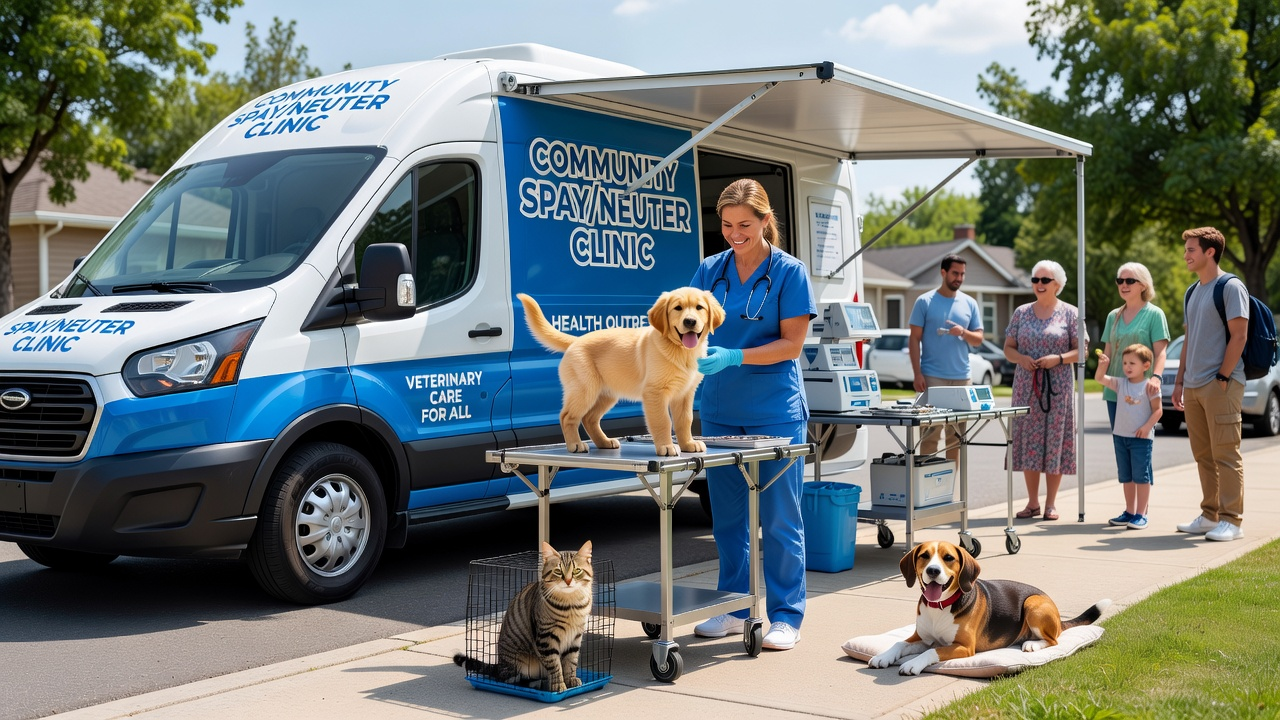
The Humane Society shines too, via their low-cost spay/neuter guide, listing national directories and voucher tips. PetSmart Charities' Clinic Finder maps mobile spay/neuter clinics and fixed sites, ideal for rural foster families or community cat caregivers. These rolling units bring services doorstep-close, vaccinating and microchipping alongside surgeries for dogs, cats, and rabbits.
Voucher Programs and Financial Qualification
- Many shelters offer vouchers—proof of low income (like SNAP eligibility) unlocks $0-$100 fees.
- Target TNR (Trap-Neuter-Return) for ferals; rabbit rescues like House Rabbit Society link species-specific aid.
- Rescue groups subsidize fosters: inquire locally for priority slots.
Scheduling Tips: Hit the Age Sweet Spot
Timing matters. Puppies and kittens ideally go under the knife at 8-12 weeks or 2 pounds; rabbits at 4-6 months. Adults anytime, but pre-heat cycles maximize health perks. Book low cost spay neuter programs 4-6 weeks ahead—popular free spay neuter near me slots vanish fast. Prep with fasting (no food post-midnight), paperwork (vaccination records, ID), and transport crates. Mobile clinics often require appointments via apps or hotlines.
Local Clinic Hunters
Google "low cost spay neuter programs [your zip]" or check shadeofheart.org for shade grants. Vet schools and nonprofits like SpayUSA aggregate hidden gems.
Post-Surgery Care: Smooth Recovery Basics
Day one: quiet cone of shame prevents licking. Crate rest for 10-14 days—no stairs, jumps, or rough play. Pain meds soothe; watch for swelling or lethargy (call vet if concerned). Stitches dissolve or remove in 10 days. Feed bland diets initially. Rabbits need hay-heavy setups to avoid GI stasis. By week two, your pet bounces back—healthier, happier, population hero.
- Monitor incision daily: clean, dry, no pus.
- Prevent mating: separate sexes 3-4 weeks.
- Follow-up vaccines boost long-term wellness.
These steps turn surgery into seamless success, letting caregivers focus on love, not litters.
About NAWN: The National Animal Welfare Network (NAWN) is America's species-neutral animal welfare platform — providing lifetime digital registry, lost-pet recovery, foster coordination, wildlife protection, youth education, and career pathways in animal welfare.