
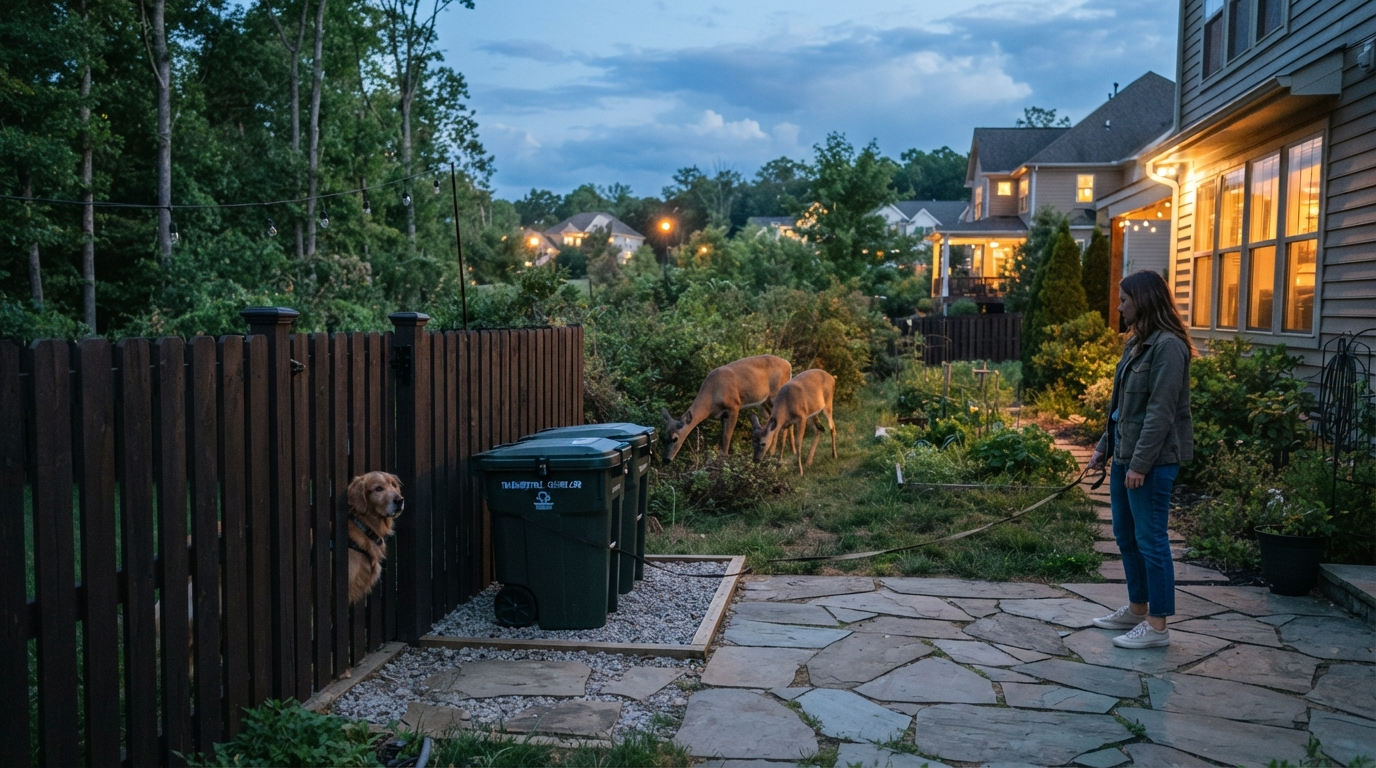
Wildlife Safety Guide: Coexisting Safely, Rabies Awareness & Essential Protection Tips
Picture this: dusk falls over your rural backyard, and a family of raccoons emerges from the woods, eyes glinting like tiny headlights. Your dog barks furiously from the porch. Moments like these remind us that wildlife safety isn't just a buzzword—it's a daily reality for pet owners, homeowners, and rural residents sharing space with nature's wild neighbors. Coexisting with wildlife demands respect, preparation, and knowledge to prevent conflicts, injuries, or worse. In this guide, we'll explore practical steps for wildlife safety, from understanding local critters to rabies awareness, ensuring harmony between your home and the wild.
Understanding Local Wildlife and Seasonal Patterns
Every region hums with its own cast of characters—black bears in the Appalachians, coyotes prowling suburban edges, deer crashing through gardens. Start with wildlife safety by researching your area's species via local wildlife agencies or apps tracking sightings. Seasonal shifts amplify risks: spring brings hungry moms with cubs or fawns, fall signals hyperphagia in bears bulking for hibernation, winter drives animals closer to human warmth and food.
Tune into these rhythms. A rustle in the brush might signal a skunk foraging at dawn, not just wind. Awareness turns potential panic into proactive steps for coexisting with wildlife.
Securing Trash, Food, and Wildlife-Proofing Your Property
Lock Down Attractants
Overflowing bins are wildlife magnets. Use bear-proof trash cans with locking lids, store them in garages until pickup, and rinse recyclables to erase food scents. Bird feeders? Elevate them 10 feet high, 10 feet from shelter, and clean spilled seeds daily—else invite rodents, then predators.
- Install motion-activated lights and sprinklers around entry points.
- Fence gardens with 8-foot barriers topped with floppy wire to deter climbers.
- Seal chimneys and vents with fine mesh screens.
Never Feed Wildlife
That "cute" squirrel nibbling peanuts? You're dooming it to dependency and disease. Feeding alters behavior, drawing crowds that clash with pets and people. Let nature provide—your good intentions pave dangerous roads.
Pet Safety Around Wildlife and Encounter Protocols
Pets and wildlife mix like oil and water. Supervise outdoor time, especially at dawn and dusk. Vaccinate against rabies, leash-walk in brushy areas, and microchip for quick recovery if a scuffle scatters your furry friend.
Encounter a deer staring you down? Back away slowly, no sudden moves or eye contact. Coyote near your yard? Haze it—yell, wave arms, throw sticks—to reclaim space. For injured or aggressive animals like bats or foxes, don't approach: report to animal control immediately. They handle rabies testing and relocation safely.
Rabies Awareness: A Silent, Deadly Threat
Rabies awareness saves lives. This viral scourge spreads via bites or saliva, hitting mammals like raccoons, bats, skunks, and foxes hardest. Symptoms? Foaming mouths, aggression, paralysis. Unprovoked attacks scream red flags.
- Vaccinate pets annually—it's law and lifesaver.
- Wash bites immediately with soap, seek medical care pronto.
- Avoid bats; even a brush can transmit.
Post-exposure prophylaxis works if acted on fast. Coexisting with wildlife means vigilance against this invisible foe.
Tackling Specific Hazards: Snakes and Bird Window Strikes
Snake Safety
Rattlesnakes, copperheads—slithering hazards lurk in woodpiles and tall grass. Clear debris, wear boots in sheds, teach kids the freeze-and-retreat rule. If bitten, immobilize the limb, ID the snake remotely, and rush to ER—no tourniquets or sucking.
Prevent Bird Window Strikes
Millions of songbirds perish smacking glass yearly. Break reflections with decals, screens, or UV tape. Close blinds at night during migration peaks. Small tweaks yield big saves.
Coexisting with wildlife isn't about walls—it's wisdom. Arm yourself with these wildlife safety tips, foster rabies awareness, and watch your home become a sanctuary amid the wild. Peaceful neighbors await.
About NAWN: The National Animal Welfare Network (NAWN) is America's species-neutral animal welfare platform — providing lifetime digital registry, lost-pet recovery, foster coordination, wildlife protection, youth education, and career pathways in animal welfare.