
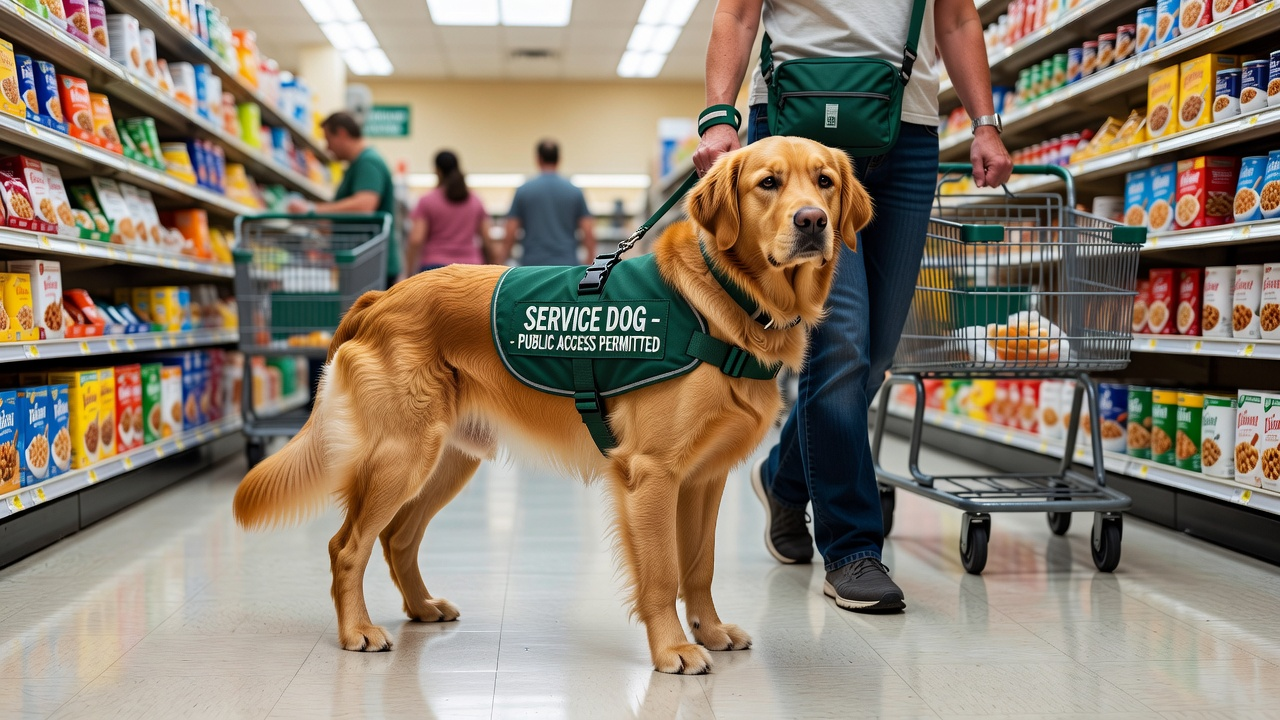
Public Access Rights for Service Animals: Essential Guide for Owners and Businesses
Picture this: You step into a bustling coffee shop, your service dog at your heel, eyes forward with quiet confidence. The barista glances down, hesitates, then waves you through. That's the power of public access rights for service animals—a hard-won freedom that opens doors, quite literally, across America. Yet misunderstandings linger, turning simple outings into battles. This guide cuts through the confusion, empowering service animal handlers and businesses alike with clear, actionable insights on public access service animal rights.
What Defines Public Access for Service Animals?
Public access service animal rights stem from the understanding that these companions aren't pets—they're vital tools for independence. Under the Americans with Disabilities Act (ADA), service animals are dogs (or sometimes miniature horses) individually trained to perform tasks for people with disabilities. This includes guide dogs for the blind, seizure alert dogs, or psychiatric service dogs that interrupt anxiety attacks.
These rights grant entry to public places: restaurants, stores, hotels, theaters—even government buildings. No special ID or vest is required by law; the animal's behavior speaks volumes.
Federal Laws: The Backbone of Public Access Rights
The ADA in Action
Title III of the ADA covers public accommodations—think any private entity open to the public. Service animals must be allowed, no exceptions, unless they pose a direct threat or fundamentally alter the business. Airlines fall under the Air Carrier Access Act, with similar protections.
Housing? The Fair Housing Act ensures access to apartments and rentals, separate from public spaces.
Business Obligations: What You Can and Can't Do
- Allowed: Ask two questions: (1) Is this a service animal required because of a disability? (2) What work or task has it been trained to perform?
- Not Allowed: Demand proof, charge fees, isolate the handler, or refuse based on allergies (mitigate with alternatives).
If the animal is out of control—growling, jumping, or relieving itself indoors—businesses can ask it to leave. Cleanliness and good manners are non-negotiable.
Handler Responsibilities to Uphold Public Access
With great access comes great duty. Keep your service animal under control, leashed (unless it interferes with work), vaccinated, and groomed. Emotional support animals? They lack these federal public access rights—distinguish them clearly.
Debunking Myths
- Vests aren't mandatory; they're helpful but not legal proof.
- Allergies don't trump rights—businesses must accommodate both parties.
- Pits and other breeds? Protected equally, if trained properly.
State Variations and Next Steps
While ADA sets the floor, states like California expand to miniature horses or trainer access. Check local laws via ADA.gov or state attorney general sites. Facing denial? Politely educate, document, and file complaints with the DOJ if needed.
Public access service animal rights aren't just legal—they're lifelines, weaving independence into everyday life. Arm yourself with knowledge, and watch doors swing wide.
About NAWN
NAWN is your trusted resource for service animal handlers, offering expert guides, legal updates, and community support to champion access and advocacy nationwide.