
Service Animal Public Access Rights: Where Dogs Can Go, Handling Denials & ADA Rules
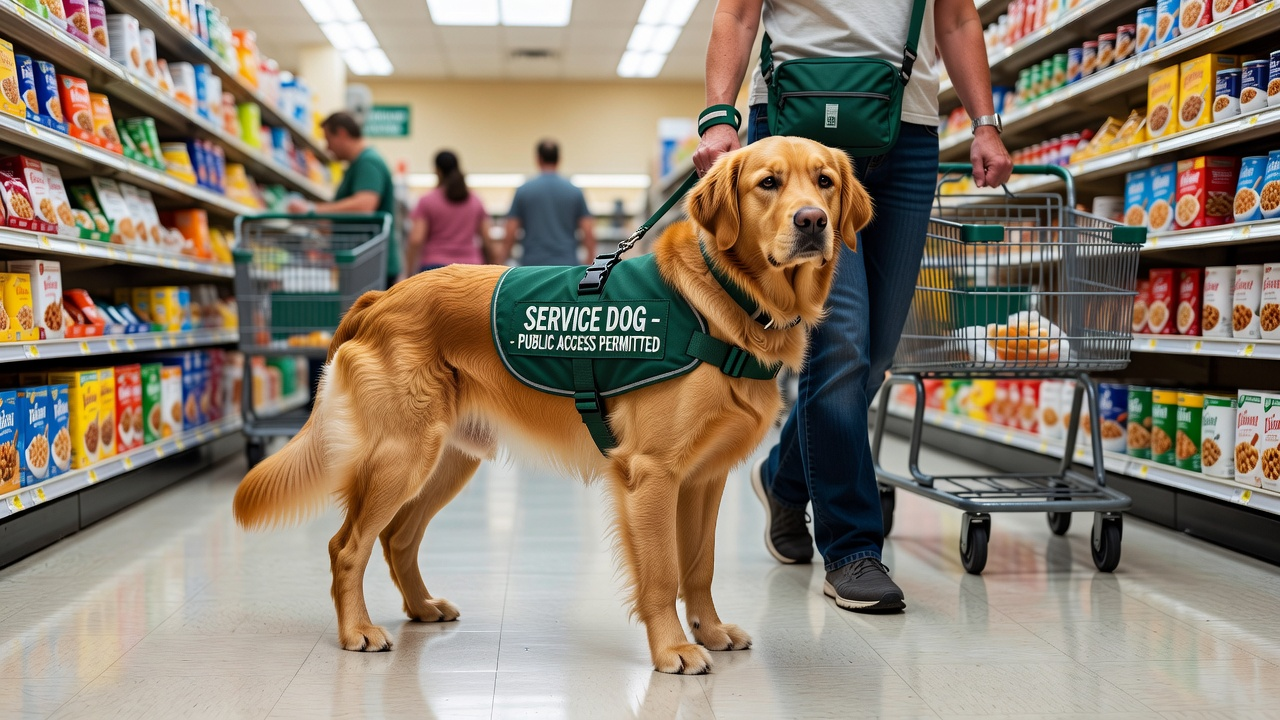
Imagine stepping into a bustling grocery store, your service dog steady at your side, only to hear a manager bark, "No pets allowed!" Heart sinking, you stand your ground—not out of defiance, but because federal law carves out sacred space for service animals in America's public life. Under the Americans with Disabilities Act (ADA), service animal public access rights ensure that trained dogs (and miniature horses in some cases) can accompany handlers almost anywhere the public treads. This isn't a privilege; it's a protected right. Yet misunderstandings persist, leaving handlers navigating tense encounters while business owners risk fines. Let's unpack the rules, from where service dogs can go to calmly handling denials.
Understanding ADA Titles II and III: The Foundation of Public Access
The ADA's Titles II and III form the bedrock of service animal public access rights. Title II covers state and local government services, like courthouses, public transit, and libraries—places where everyone has a right to enter. Title III targets private businesses deemed "places of public accommodation," a sweeping category that includes hotels, restaurants, theaters, doctor's offices, retail stores, and gyms. If a business serves the public, service dogs can go there, no exceptions for policies like "no pets."
Public accommodation service animal access isn't optional. These laws mandate equal access for individuals with disabilities, ensuring service animals perform tasks like alerting to seizures, guiding the visually impaired, or stabilizing those with PTSD. Non-compliance can trigger complaints to the Department of Justice, with penalties up to $75,000 for first offenses.
Where Can Service Dogs Go? Defining Places of Public Accommodation
Covered Spots and Common Gray Areas
Service dogs can accompany handlers into any public accommodation service animal-friendly zone: think coffee shops where you sip lattes side-by-side, hospitals for life-saving visits, or airplanes under separate DOT rules. Even sterile operating rooms might allow entry if the animal's presence is deemed essential.
Gray areas? Food preparation areas in restaurants are off-limits if they pose hygiene risks, but dining rooms and counters are fair game. Private clubs or religious entities often fall outside Title III. Always remember: the animal must be under control, housebroken, and task-trained—no pets or emotional support animals qualify.
No Certification Required: ID, Vests, and Documentation Basics
Here's a game-changer for handlers: the ADA requires zero certification, ID cards, or papers. No special license exists federally. Staff can ask only two questions: (1) Is this a service animal required because of a disability? (2) What tasks does it perform? That's it—no medical verification or demos.
- Required: Leash or harness (voice control okay if needed).
- Optional but smart: Vests, patches, or trainer cards for quick credibility—though not legally binding.
Business owners, note this: demanding bogus "certification" violates the ADA and invites lawsuits.
Etiquette for Handlers: Smooth Sailing in Public Spaces
Respect earns allies. Keep your dog leashed, off furniture, and away from service areas. Pick up waste promptly. A quick "He's my seizure alert dog" heads off questions. This courtesy turns potential clashes into seamless integrations, fostering goodwill with business owners and fellow patrons.
Service Animal Access Denied? Steps, Scripts, and Legal Recourse
Calmly Handling Denials
When access is denied, breathe deep. Script: "This is my service dog under the ADA. He helps with [task]. Can you check your policy?" If refused, ask for the manager or owner, then document: time, staff names, reasons given. Leave peacefully—escalation rarely helps on-site.
- File a complaint with the DOJ online (ada.gov).
- Contact your state's attorney general for local enforcement.
- Consult a disability rights attorney if damages occur.
Businesses get two chances to educate staff before fines kick in.
State Laws That Go Beyond Federal
Many states amplify ADA protections. California mandates staff training; New York covers emotional support in housing (not public access). Check your state's human rights commission—some require penalties for wrongful denials or extend to taxis and rideshares.
Service animal public access rights aren't just rules—they're lifelines, weaving independence into everyday adventures. Handlers, arm yourself with knowledge; owners, train your teams. Together, we build a more accessible world.
About NAWN: The National Animal Welfare Network (NAWN) is America's species-neutral animal welfare platform — providing lifetime digital registry, lost-pet recovery, foster coordination, wildlife protection, youth education, and career pathways in animal welfare.