
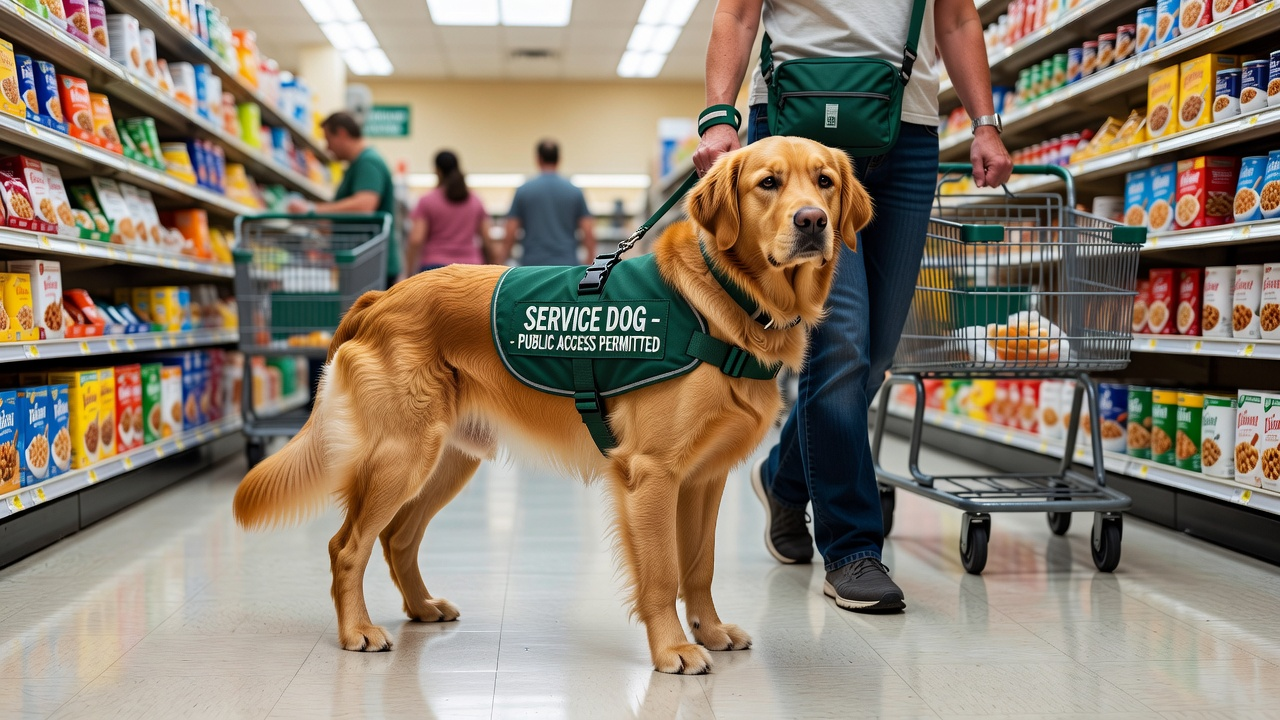
Where Can Service Dogs Go? Your Ultimate Guide to Public Access Rights & Etiquette
Unlocking the Door: The Power of Service Animal Public Access Rights
Picture this: You're navigating a bustling city street, your loyal service dog at your side, eyes alert and harness steady. A shop door looms ahead, but a sign warns "No Pets Allowed." Does that stop you? Not if you know your rights. Service animal public access rights, enshrined in the Americans with Disabilities Act (ADA), ensure that trained service dogs—and their handlers—can enter places where the general public is welcome. These protections aren't just legal fine print; they're lifelines for independence.
At its core, service animal public access means your dog can accompany you almost anywhere people go: stores, restaurants, hotels, theaters, hospitals, and beyond. But knowledge is your best leash. Let's dive into where service dogs can go, common pitfalls, and how to stride confidently.
Places of Public Accommodation: Mapping Where Service Dogs Can Go
The ADA defines "public accommodations" broadly—think retail shops, doctor's offices, zoos, and gyms. Service dogs wade through these waters seamlessly. Grocery stores? Check. Movie theaters? Absolutely. Even taxis and rideshares must accommodate, though airlines follow separate rules under the Air Carrier Access Act.
Exceptions exist, like sterile hospital operating rooms or areas posing direct threats, but they're rare. Your service dog isn't a pet; it's a working partner, granted the same access as a wheelchair or cane.
Key Spots to Know
- Retail stores and malls
- Restaurants and cafes
- Hotels and motels
- Banks and post offices
- Courthouses and government buildings
Myth Busted: ID Not Required for Service Dogs
Flashy vests and badges look official, but they're optional. The ADA doesn't require certification, registration, or ID for service dogs. Businesses can ask just two questions: (1) Is this a service animal required for a disability? (2) What tasks does it perform? No demos, no papers. Demanding more? That's a violation.
Access Refusal: Standing Your Ground
Refusals happen—misinformed staff, allergen fears, or outright ignorance. Stay calm: politely educate with ADA facts. If denied, note details and file a complaint with the Department of Justice. Most resolve quickly, affirming your service animal public access rights.
Etiquette Essentials: Harmonious Public Access
Rights come with responsibility. Keep your dog under control, cleaned up, and task-focused. Avoid petting distractions—it's work time. A quick "Working dog, please don't pet" goes far. This etiquette builds bridges, reducing where service dogs can go friction.
Pro Tips
- Enter calmly, choose quiet spots.
- Clean up accidents immediately.
- Respect service animal relief areas.
Handling Challenges and State Protections
Pushback? Document, de-escalate, escalate if needed. Many states layer ADA with stronger laws—like housing access or miniature horse allowances. Check your state's attorney general site for specifics, amplifying federal where service dogs can go guarantees.
About NAWN
NAWN champions service animal public access through education, advocacy, and community. Explore our resources in the public-access category for more on rights, training, and triumphs.