
Service Animal Complete Guide: ADA Rules for Housing, Travel, Public Access & More
Imagine stepping into a bustling restaurant, your loyal service dog at your side, eyes scanning for the subtle cue that could avert a medical crisis. For millions of Americans with disabilities, this isn't a luxury—it's a lifeline. Service animals under the ADA transform everyday challenges into manageable moments. Yet confusion abounds: What exactly counts as a service animal? Where can they go? This service animal complete guide unpacks the Americans with Disabilities Act (ADA) rules, empowering handlers, businesses, and the public with clear, compassionate insights.
Defining Service Animals Under the ADA
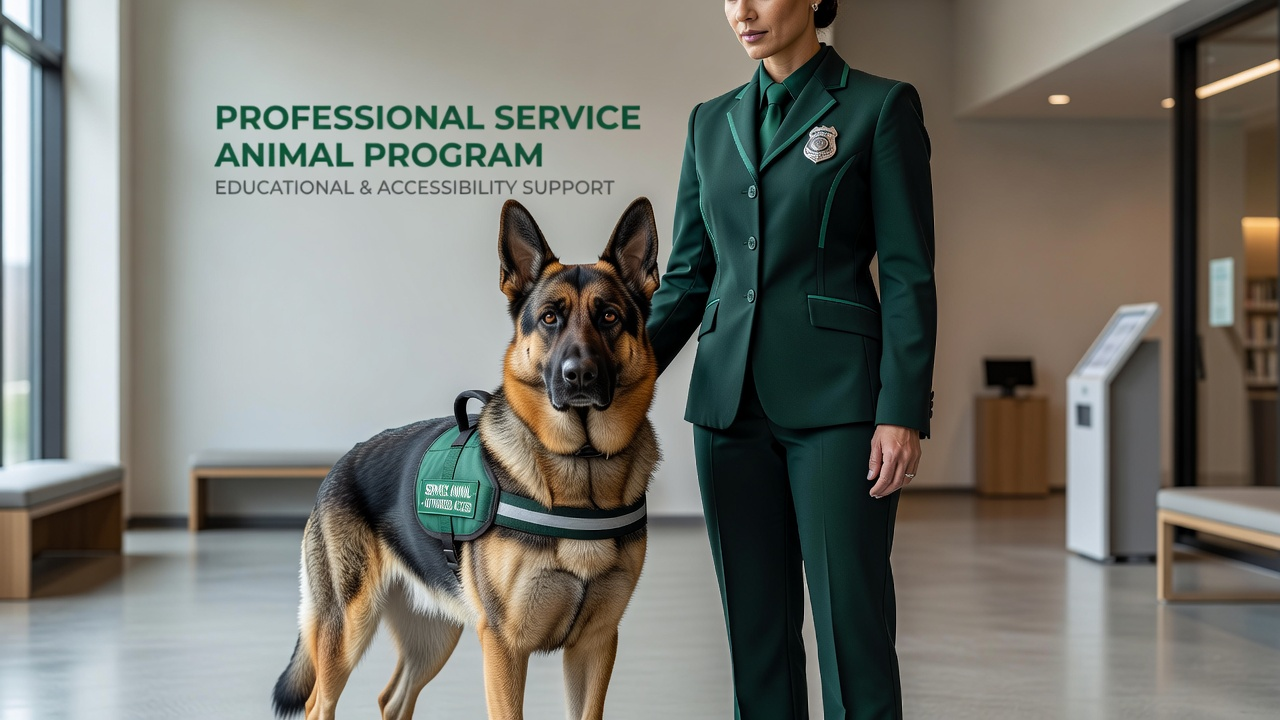
The ADA narrowly defines service animals as dogs—and in rare cases, miniature horses—individually trained to perform specific tasks or work directly related to a person's disability. These aren't pets; they're professionals in fur coats, alerting to seizures, retrieving medications, or guiding the visually impaired through crowded streets.
No certification, vest, or paperwork is required. Emotional support animals (ESAs) don't qualify under ADA public access rules, though other laws like the Fair Housing Act may apply differently. This distinction protects genuine ADA service dogs from misuse while honoring their vital role.
Housing Rights: No-Pet Policies Can't Stop Service Animals
Fair Housing Act Protections
Landlords must make reasonable accommodations for service animals, even in no-pet buildings. No extra fees, deposits, or breed restrictions apply—unless the animal poses a direct threat. Handlers need only inform the landlord of the need; detailed medical proof isn't mandated upfront.
- Allow access regardless of pet policies.
- Waive pet rent or fees.
- Handle complaints based on behavior, not breed.
Picture a wheelchair user whose service dog fetches dropped keys from hard-to-reach spots. Denying this violates federal law, fostering independence in private homes nationwide.
Travel Rights: From Airports to Amtrak
Airlines and the ACAA
The Air Carrier Access Act (ACAA) mandates airlines accommodate trained service animals in cabins at no charge. Advance notice may be required, but vests aren't. Dogs must be harnessed and under control; miniature horses get case-by-case approval.
Ground and Rail Travel
Buses, trains, and taxis fall under ADA Title II or III: Public entities and transit can't deny access. Uber and Lyft must allow service animals, treating them as extensions of the handler.
Public Access: Restaurants, Stores, and Beyond
Title III of the ADA guarantees entry to places of public accommodation—think grocery stores, theaters, doctor's offices. Staff can ask two questions only: (1) Is this a service animal required for a disability? (2) What task does it perform? No health exams or demos allowed.
Service animals aren't invincible; if out of control (e.g., barking aggressively or not housebroken), they can be excluded—but only after attempts to resolve.
Businesses benefit too: Welcoming service animals builds inclusivity without legal headaches.
Handler Responsibilities and Etiquette
With great access comes great duty. Keep your ADA service dog vaccinated, groomed, and leashed (unless task interference). Clean up waste promptly. Respect no-go zones like sterile hospital areas.
- Train consistently for reliability.
- Respond to staff politely.
- Avoid feeding tables scraps—health first.
Etiquette bridges worlds: A quick "He's working, please don't pet" prevents distractions and misunderstandings.
Navigating Challenges and Resources
Misconceptions persist—fake vests flood markets, eroding trust. Report violations to the DOJ. For training tips or disputes, consult ADA.gov or local disability rights groups. This service animal complete guide arms you with knowledge; true partnership thrives on respect from all sides.
Service animals don't just assist—they liberate, turning "impossible" into "every day." Embrace the rules, honor the bond.
About NAWN: The National Animal Welfare Network (NAWN) is America's species-neutral animal welfare platform—providing lifetime digital registry, lost-pet recovery, foster coordination, wildlife protection, youth education, and career pathways in animal welfare.