
Shelter Animal Pain Management: 3Rs Refinement, Anesthesia, Analgesia & Humane Endpoints (AWIC Deep Dive #3)
Picture a trembling kitten emerging from surgery, her wide eyes betraying unspoken suffering, or a senior dog limping silently in a kennel corner. In the high-stakes world of shelter animal pain management, these moments demand more than compassion—they require precision. Enter the refinement principle of the 3Rs (Replacement, Reduction, Refinement), a cornerstone of ethical animal research and welfare championed by the Animal Welfare Information Center (AWIC) under USDA guidelines. Refinement focuses on minimizing pain and distress without compromising care, making it profoundly relevant to shelters where resources stretch thin and animals arrive in varied conditions.
This AWIC deep dive—the third in our six-part series on shelter animal welfare—equips shelter veterinarians, vet techs, rescue medical staff, and foster caregivers with actionable insights. Drawing from AWIC's Reducing Pain and Distress resources, we'll explore recognition, multimodal anesthesia and analgesia in shelters, non-drug strategies, environmental tweaks, humane endpoints, and the critical mantle of veterinary oversight.
Recognizing Pain in Different Species
Pain hides in plain sight, masked by species-specific stoicism. Early detection through behavioral and physiological signs is the first line of defense in animal pain management. Dogs might whine, pace, or guard limbs; cats often withdraw, hiss, or groom excessively. Small mammals like rabbits thump, grind teeth, or hunch; birds fluff feathers, sit fluffed at the bottom of cages, or peck at wounds. Reptiles show subtle cues: lethargy, anorexia, or coiled postures signaling distress.
Behavioral and Physiological Indicators
- Dogs: Vocalizing, trembling, dilated pupils, tachycardia.
- Cats: Ears flattened, tail lashing, piloerection, hypertension.
- Small Mammals: Porcupining (piloerection), reduced movement, tachypnea.
- Birds: Beak grinding, drooped wings, weight loss.
- Reptiles: Open-mouth breathing, color changes, reluctance to right themselves.
Validated pain scales—tailored by species—turn observation into data, aligning with AWIC's refinement 3Rs emphasis on proactive intervention.
Pain Management: Anesthetics and Analgesics
Shelter anesthesia analgesia demands a multimodal approach: combining locals, NSAIDs, opioids, and alpha-2 agonists under veterinary oversight. This layers relief, tackling pain's inflammatory, neuropathic, and visceral facets without over-reliance on any single class.
Attending veterinarians tailor protocols to case specifics—spays/neuters, wound repairs, or trauma stabilization—factoring comorbidities and shelter constraints. High-level strategies include preemptive dosing, constant-rate infusions for prolonged cases, and rescue analgesia for breakthroughs. AWIC stresses protocol standardization to reduce variability and distress, always prioritizing safety margins.
Non-Pharmacologic Comfort Measures
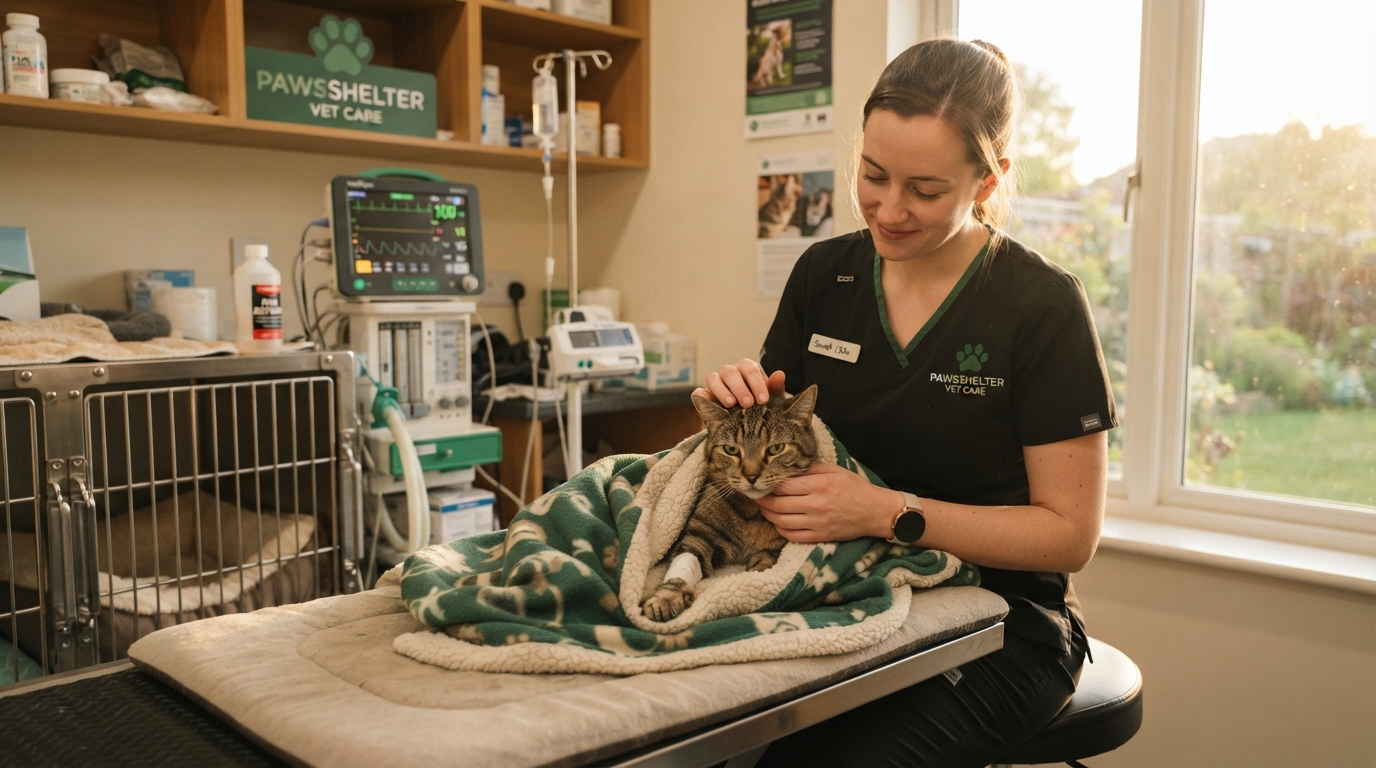
Drugs alone fall short; integrate gentle handling, thermal support, and social buffering. Swaddle fractious cats in towels for security, offer dogs familiar scents from littermates, and provide small mammals chew toys to redirect discomfort. Warmth via circulating pads prevents hypothermia-induced pain amplification, while species-appropriate social housing fosters natural coping—think bonded pairs recovering together.
These refinement 3Rs tactics, per AWIC guidance, amplify analgesia efficacy and speed emotional recovery.
Environmental Management for Pain Reduction
Quiet recovery zones with dim lighting and soft bedding mute sensory overload. Orthopedic foam elevates pressure sores risk; low-stress handling—slow approaches, minimal restraint—integrates seamlessly. Absorbent, non-slip surfaces aid mobility, while pheromone diffusers calm the air for dogs and cats alike.
Such tweaks embody AWIC reducing pain distress principles, turning kennels into healing sanctuaries.
Humane Endpoints: When Continued Treatment Is No Longer Justified
Humane endpoints mark the pivot from treatment to euthanasia when suffering outweighs quality of life. Frameworks weigh appetite, mobility, social interaction, and pain scores against prognosis. Quality of life scales—like HH HoYLS or simple 0-10 VAS—guide objectivity.
Ethical deliberations honor the animal's inherent value, documenting rationale for transparency. AWIC underscores predefined criteria to preempt prolonged distress.
Shelter Pain Management Protocol Checklist
- Assess pain using species-specific scales upon intake and post-procedure.
- Consult attending veterinarian for multimodal analgesia plan.
- Administer preemptive anesthetics/analgesics as directed.
- Monitor vital signs q4-6h initially, adjusting frequency.
- Implement quiet, warm recovery environment.
- Apply non-pharmacologic measures (handling, bedding).
- Reassess pain q2-4h post-op; provide rescue doses if needed.
- Document all interventions in medical records.
- Evaluate humane endpoints daily using QoL metrics.
- Coordinate with fosters/rescues via NAWN registry for continuity.
- Train staff on recognition signs quarterly.
- Audit protocols monthly against AWIC standards.
The Role of Veterinary Oversight and Medical Record Continuity
Veterinary oversight anchors shelter pain management, from protocol approval to endpoint decisions. Seamless records bridge transitions—shelter to foster, rescue to adopter—ensuring no analgesia gaps.
NAWN registry shines here, tracking lifetime medical history digitally. Pain scores, drug logs, and endpoint notes follow animals, empowering veterinary oversight across care chains for true refinement 3Rs impact.
Refinement isn't optional—it's the ethical imperative elevating shelter care from survival to thriving.
By weaving AWIC's wisdom into daily practice, we honor every creature's quiet resilience.
About NAWN: The National Animal Welfare Network (NAWN) is America's species-neutral animal welfare platform — providing lifetime digital registry, lost-pet recovery, foster coordination, wildlife protection, youth education, and career pathways in animal welfare.