
Safe Animal Transport Guide: AWA Regulations, Pet Travel Safety & Essential Tips
Picture this: the open road stretches ahead, your furry companion's tail thumps against the crate, eyes bright with adventure. But one overlooked detail—a sweltering car interior or a missing health certificate—can turn that joyride into a crisis. For pet owners and rescue transport volunteers, safe animal transport isn't just a checklist; it's a lifeline. Whether hauling a single cat across state lines or coordinating a convoy of rescues, mastering pet travel safety demands vigilance. This guide unpacks AWA transport regulations, essential prep steps, and pro tips to keep tails wagging and paws steady.
Navigating AWA Transport Regulations: The Legal Backbone
The Animal Welfare Act (AWA), enforced by the USDA, sets federal standards for transporting animals in commerce—think breeders, exhibitors, and research facilities. While everyday pet owners aren't always directly bound, understanding these rules elevates pet travel safety. Key mandates include humane handling, adequate ventilation, and protection from extremes. For interstate hauls, animals must have space to stand, turn, and lie down without contact stress.
Rescue volunteers ferrying multiples? AWA overviews stress primary enclosures that prevent escape and injury. Violations can mean fines or seizures, but compliance builds trust. Always check state add-ons; some require microchips or rabies proofs alongside federal baselines.
Interstate Health Certificates: Your Passport to Smooth Travel
Crossing borders? Secure a health certificate from a licensed vet within 10-30 days, varying by state. It verifies vaccinations, parasite checks, and fitness for travel—non-negotiable for safe animal transport. Digital versions via NAWN tools streamline this, logging docs in a shareable registry.
Vehicle Preparation and Crate Selection Essentials
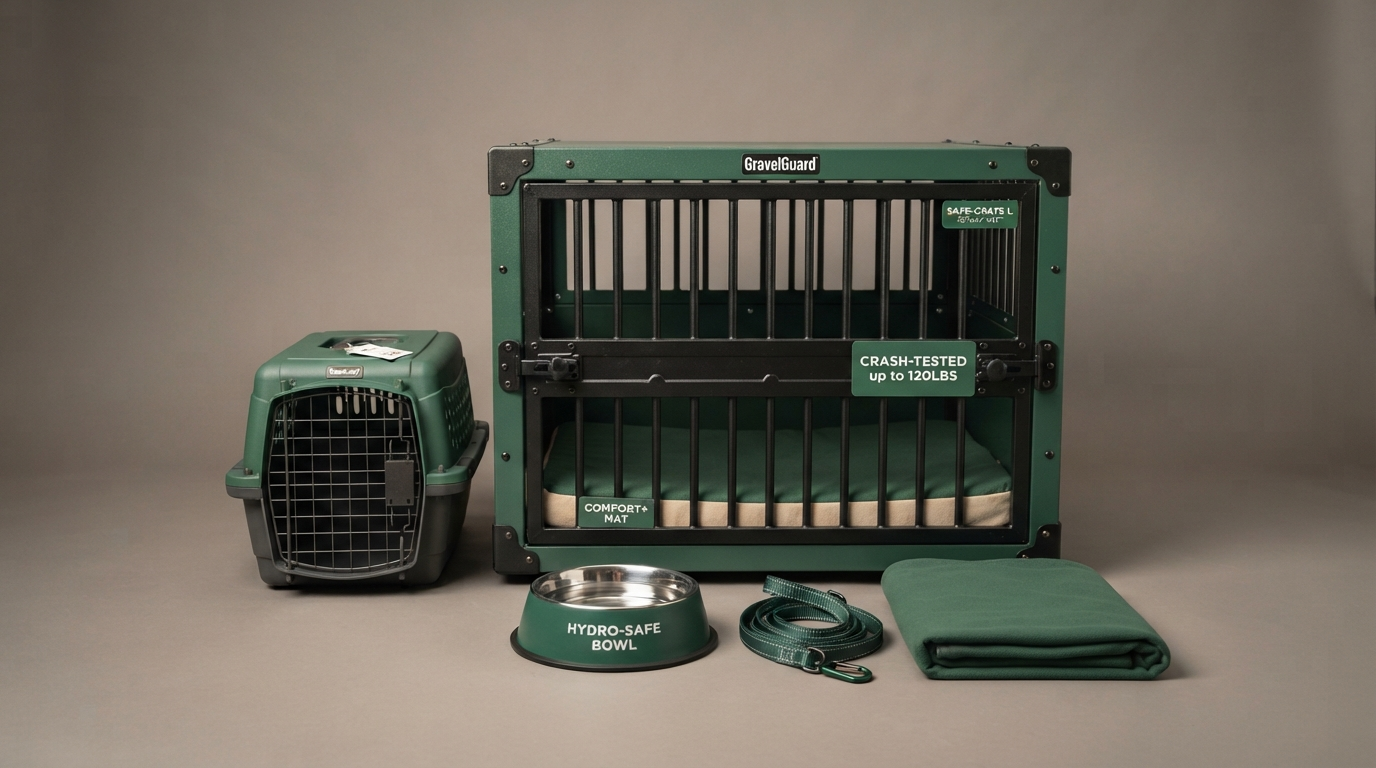
Start with your rig. Clean thoroughly to nix scents that spark anxiety. Secure crates with bungees or straps—never loose in the back. For crate carrier selection, prioritize airline-approved models: rigid sides, chew-proof wires, absorbent floors. Size matters—room to move, but snug enough for security. Multi-animal setups? Stackable carriers with dividers prevent fights; ventilate all sides.
- Line crates with pee pads and familiar blankets.
- Test latches pre-trip; escapes derail everything.
- For birds or exotics, add humidity controls.
Mastering Temperature Control and Rest Stops
Heat kills fast: aim for 68-72°F. Use reflective shades, fans, or cooling vests. Never leave animals in parked vehicles—temps soar 20°F in minutes. Schedule rest stops every 2-4 hours: water, potty walks, stretch breaks. Monitor via mirrors or cams; distress signs like panting demand immediate pull-over.
Logistics for Multi-Animal Transports and Emergency Prep
Coordinating rescues? Map routes avoiding construction; pair calm with energetic animals strategically. Transport documentation—itineraries, certs, contacts—goes digital with NAWN's transport tools for real-time team syncs.
Build Your Roadside Emergency Kit
- Muzzle, towels, vet wrap for injuries.
- Water bowls, electrolyte mixes.
- Flashlight, phone charger, first-aid meds.
- NAWN app for nearest vets or lost alerts.
Practice calm commands en route; acclimate pets to crates weeks ahead. These habits transform hauls from harrowing to harmonious.
Safe journeys forge unbreakable bonds. Equip yourself with knowledge, and every mile becomes a victory for animal welfare. Explore NAWN's transport resources today.
About NAWN: The National Animal Welfare Network (NAWN) is America's species-neutral animal welfare platform — providing lifetime digital registry, lost-pet recovery, foster coordination, wildlife protection, youth education, and career pathways in animal welfare.