
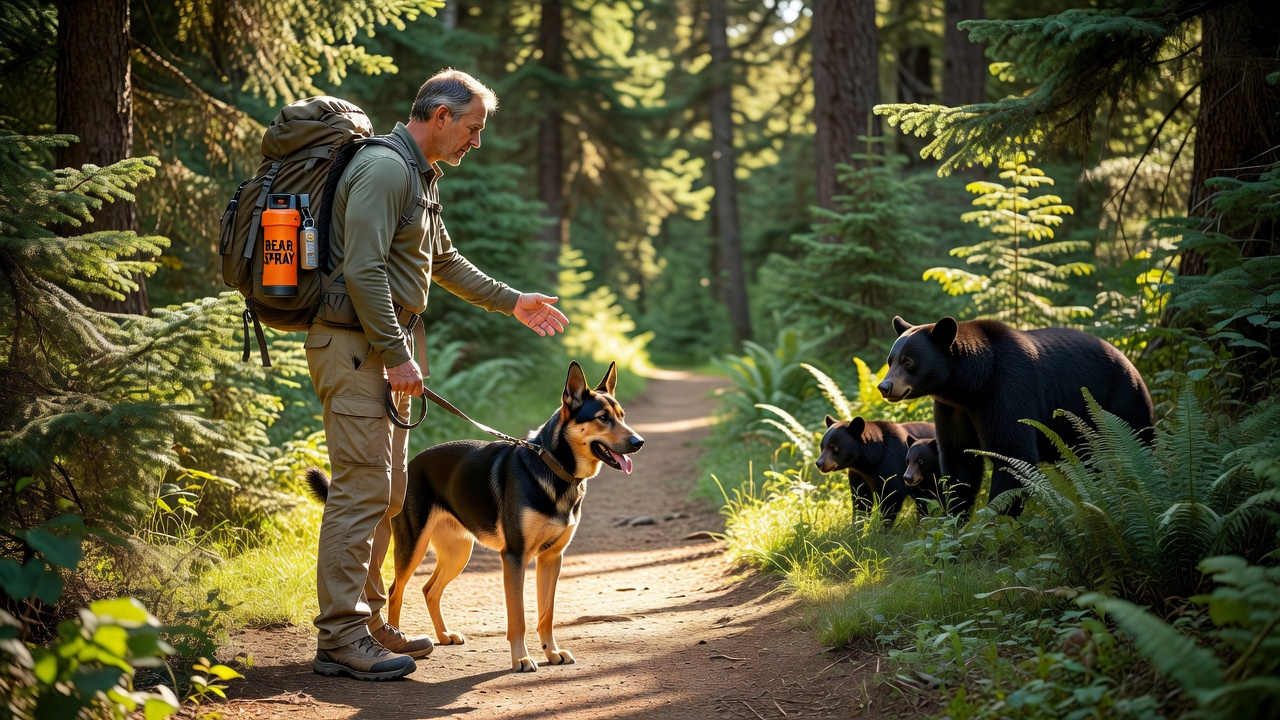
Wildlife Encounter Safety Checklist: Trail Tips, Pet Safety & 25-Yard Viewing Rules
Picture this: You're deep in the woods, your loyal dog trotting ahead on a crisp autumn trail, when a rustle in the brush stops you cold—a majestic moose emerges, antlers gleaming. Heart pounding, you freeze. Moments like these define the thrill of hiking, but they demand respect. Wildlife encounters can turn magical or perilous in a heartbeat. This printable checklist equips hikers and pet owners with essential wildlife encounter safety protocols, blending trail safety with pets and strict wildlife viewing distance rules to keep adventures safe and awe-inspiring.
Know Before You Go: Tune Into Seasonal Wildlife Activity
Wildlife rhythms shift with seasons—bears emerge hungry in spring, gorge in fall hyperphagia, or defend cubs midsummer. Research local hotspots via park apps or ranger stations. Avoid dawn/dusk when animals feed actively. Check trail reports for recent sightings. Preparation turns potential risks into informed enjoyment.
Master Wildlife Viewing Distance Rules: 25 Yards Minimum
The golden rule? Maintain 25 yards (about two bus lengths) from elk, bison, moose, or wolves—100 yards from bears, wolves with pups, or nests. This prevents stress-induced charges and protects fragile habitats. Binoculars bridge the gap; your presence disrupts natural behaviors less.
Gear Up: Bear Spray, Noise Makers & Trail Safety with Pets
Bear spray (EPA-approved, 30-ft range) deters charges—practice drawing it. Air horns or whistles alert without startling. For pets, a 6-foot leash prevents chases; trail safety with pets means voice control and poop pickup to avoid attracting scavengers.
Pet-Specific Checklist
Core Rules: Never Feed & What to Do If Charged
Feeding habituates animals to humans, sparking aggression. Secure food in bear bags/canisters. If charged—group up, stay calm, back away. For black bears, yell/fight back; grizzlies, play dead.
Snake Awareness & Reporting Injured Wildlife
Scan ahead on trails—snakes bask on rocks. Wear sturdy boots, use trekking poles to probe. Spot injured animals? Note location, species, don't touch—report to rangers/hotlines immediately.
Print this checklist, laminate it, clip to your pack. Safe trails await—respect sparks wonder, not woe.
About NAWN: The National Animal Welfare Network (NAWN) is America's species-neutral animal welfare platform — providing lifetime digital registry, lost-pet recovery, foster coordination, wildlife protection, youth education, and career pathways in animal welfare.